
Enterprise application design
Orbixa Vision Analytic Manager
Orbixa Vision Analytic Manager
Unifying fragmented video intelligence tools into a scalable analytics platform
Unifying fragmented video intelligence tools into a scalable analytics platform
Industry :
Video management software
Client :
Orbixa Vision Pvt. Ltd.
Project Overview
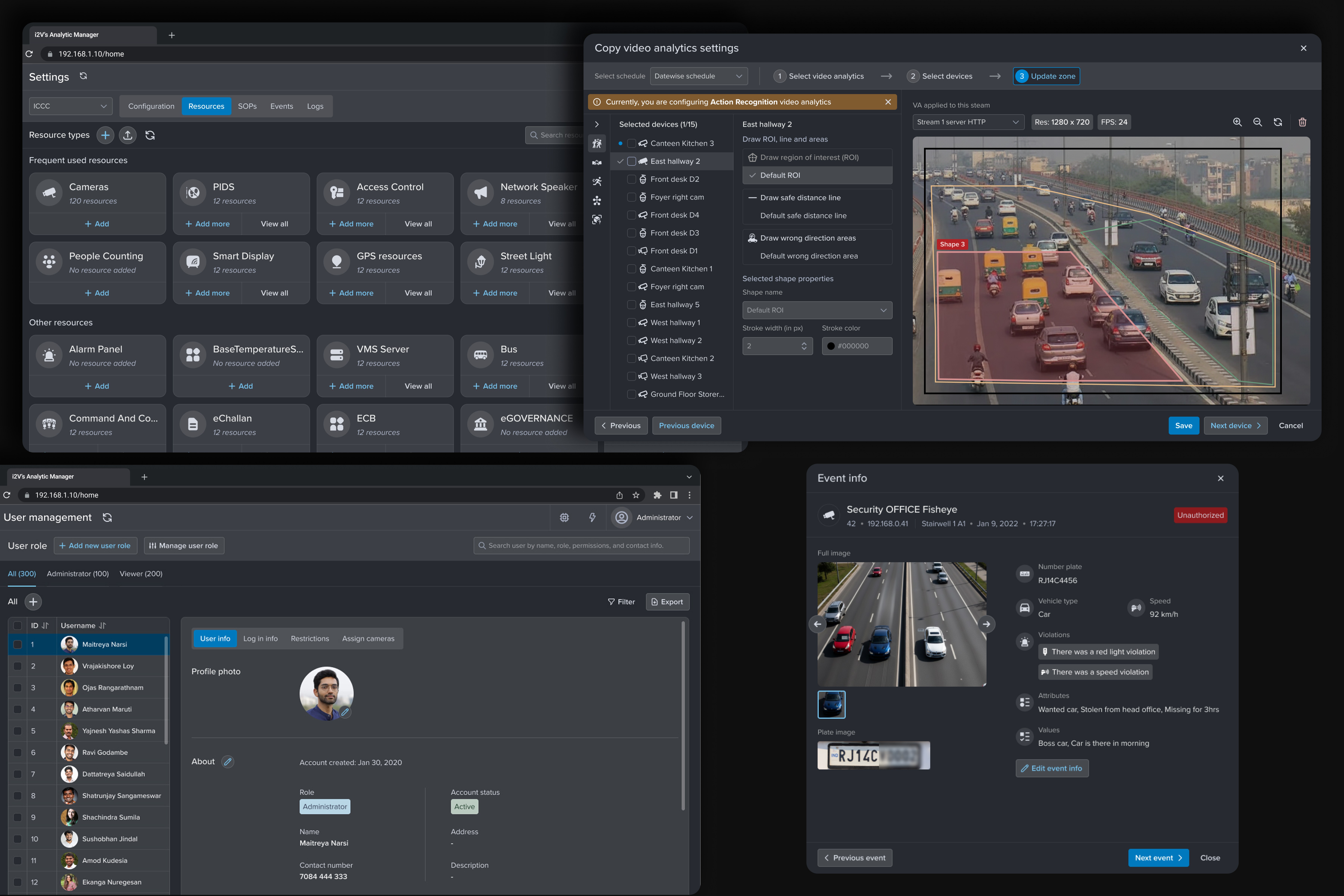
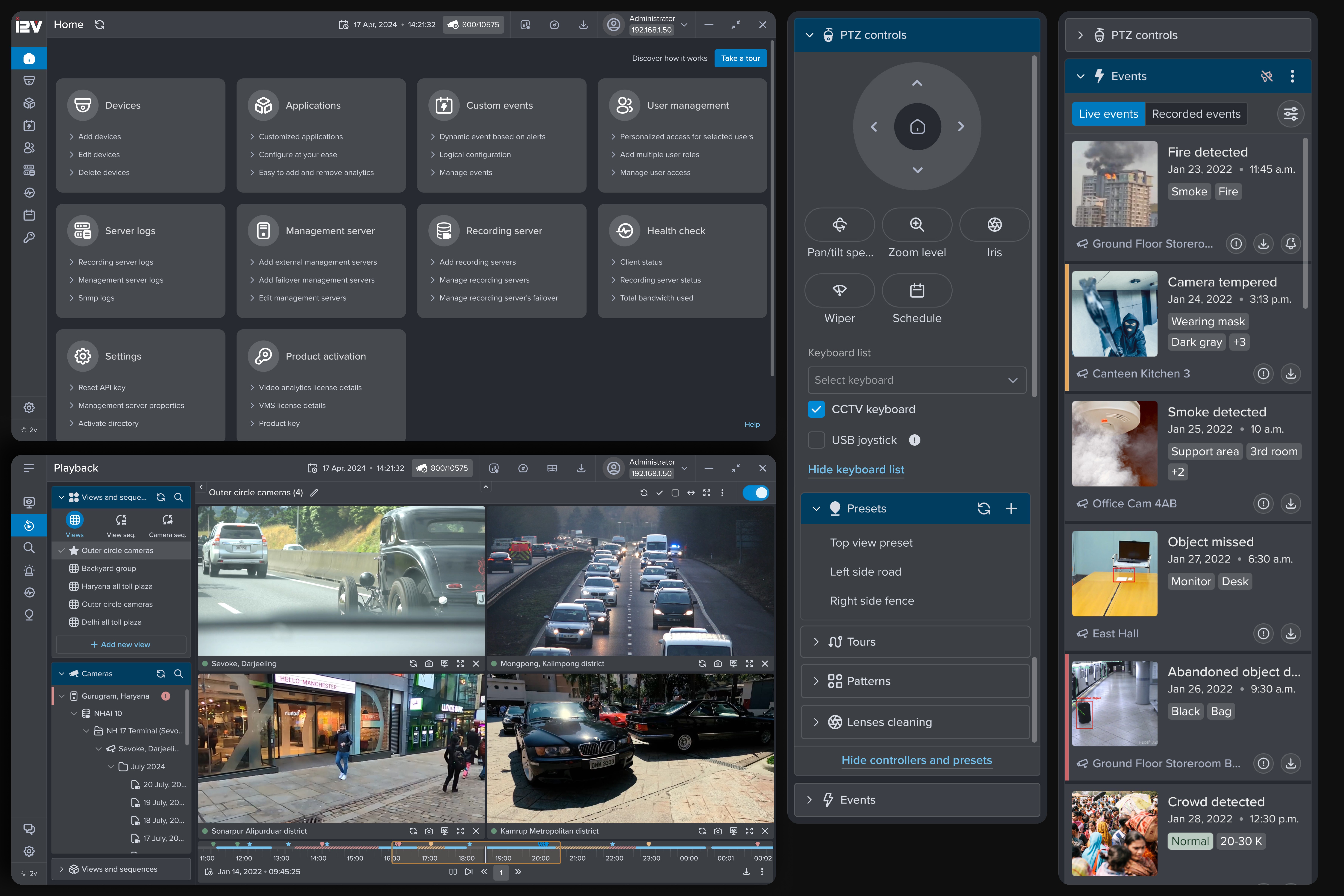
A single web platform that brings four independently built analytics products into one place, so operators in high-stakes environments stop switching between applications mid-investigation.
Background
Orbixa Vision sold its analytics capabilities as separate products: FRS for face recognition, ANPR for number plate recognition, ITMS for traffic management, and ICCC for integrated command and control. Each shipped as its own desktop application, with its own interface and its own way of working.
For operators at police headquarters, airports, and smart city control rooms, that meant moving between applications to complete a single investigation, and relearning a different interface each time, in conditions where speed matters.
My goal was to consolidate these into one web platform with a single, consistent way of working.
Web mattered for a practical reason. The desktop clients need substantial hardware at every deployment site. A web application removes most of that requirement, which lowers what it costs a client to run the product.
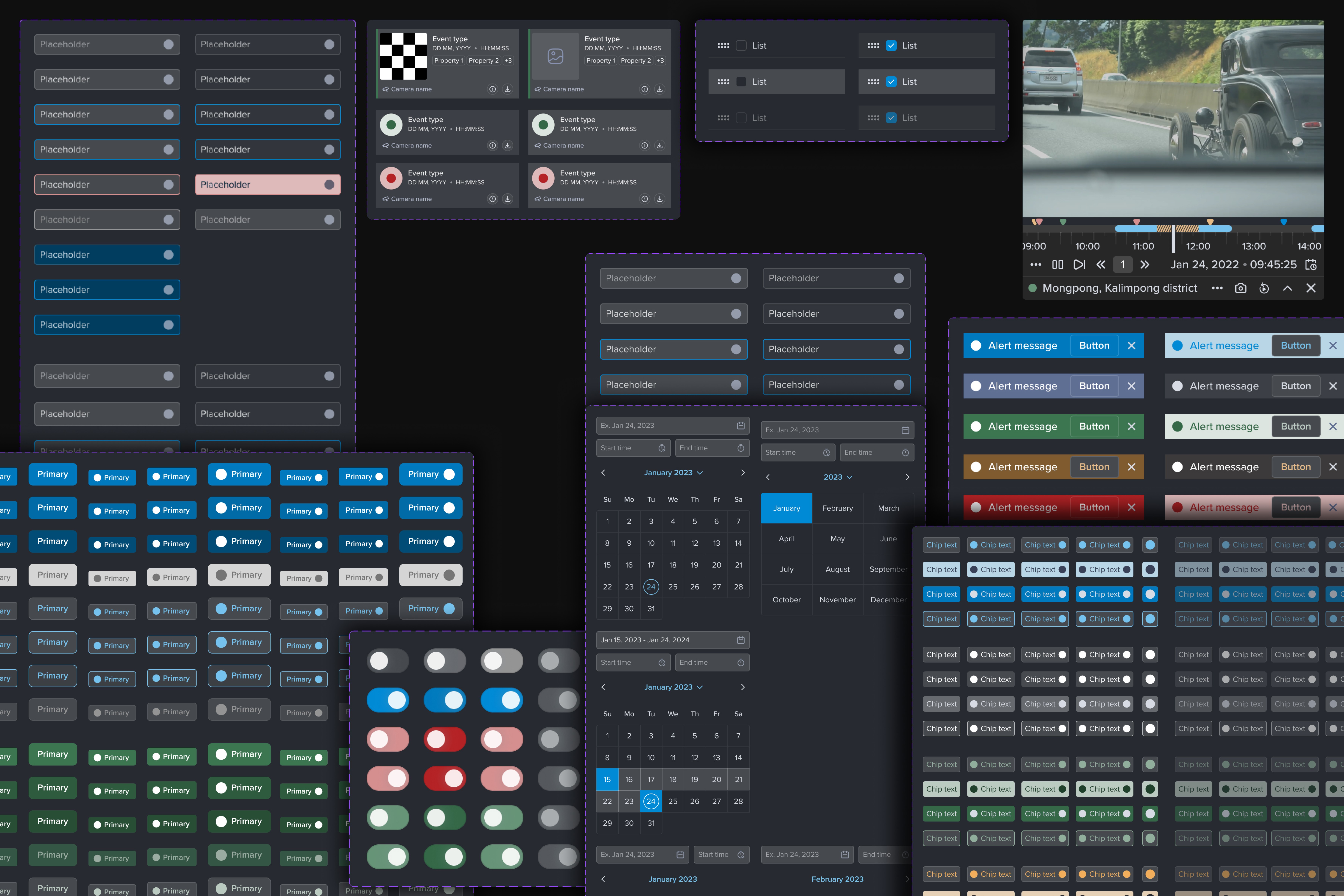
I built on the design system created during the VMS redesign, reusing roughly 80% of its components. That meant the hard part was never merging four interfaces into one. It was restructuring the workflows, information, and patterns underneath them.
My goal was to consolidate these into one web platform with a single, consistent way of working.
Web mattered for a practical reason. The desktop clients need substantial hardware at every deployment site. A web application removes most of that requirement, which lowers what it costs a client to run the product.
I built on the design system created during the VMS redesign, reusing roughly 80% of its components. That meant the hard part was never merging four interfaces into one. It was restructuring the workflows, information, and patterns underneath them.
The Problem


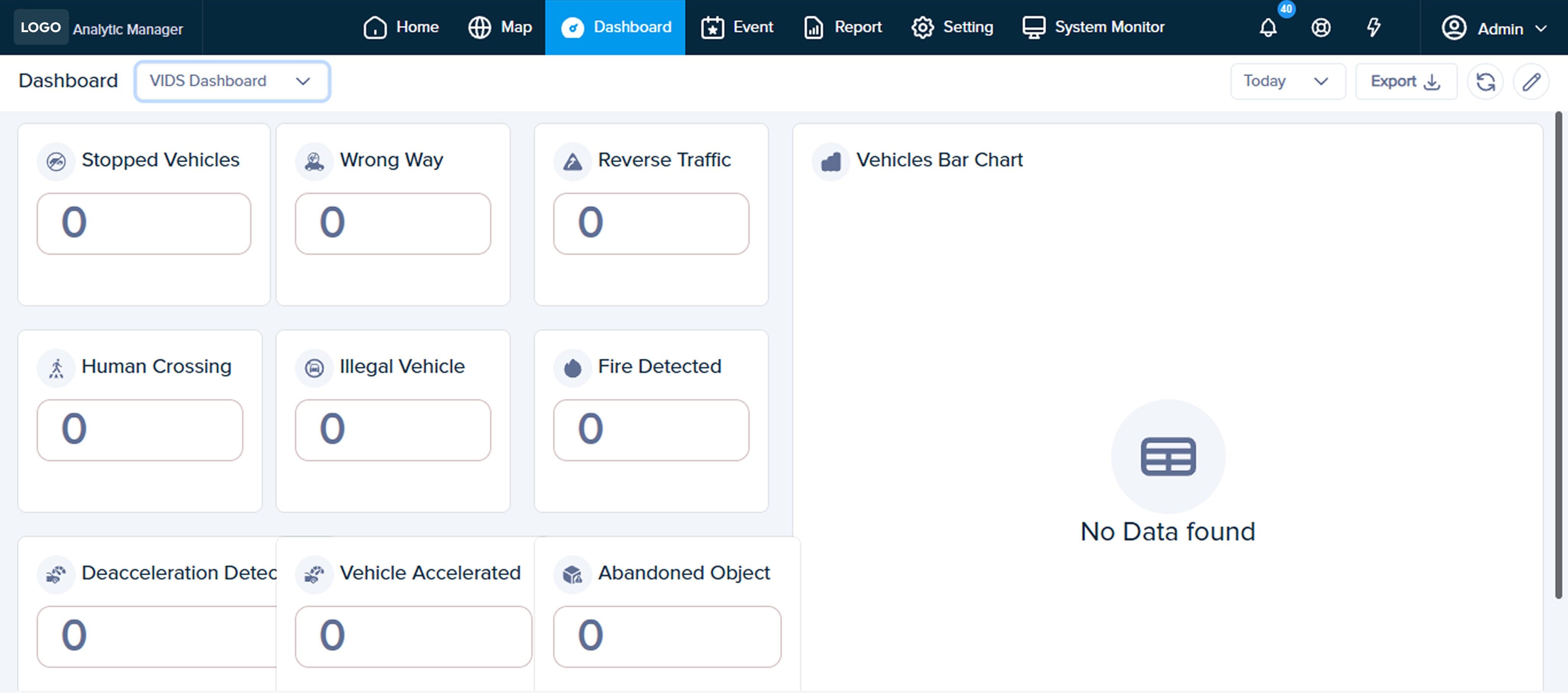
Analytics capabilities had grown into separate products, each with its own application and its own way of working.
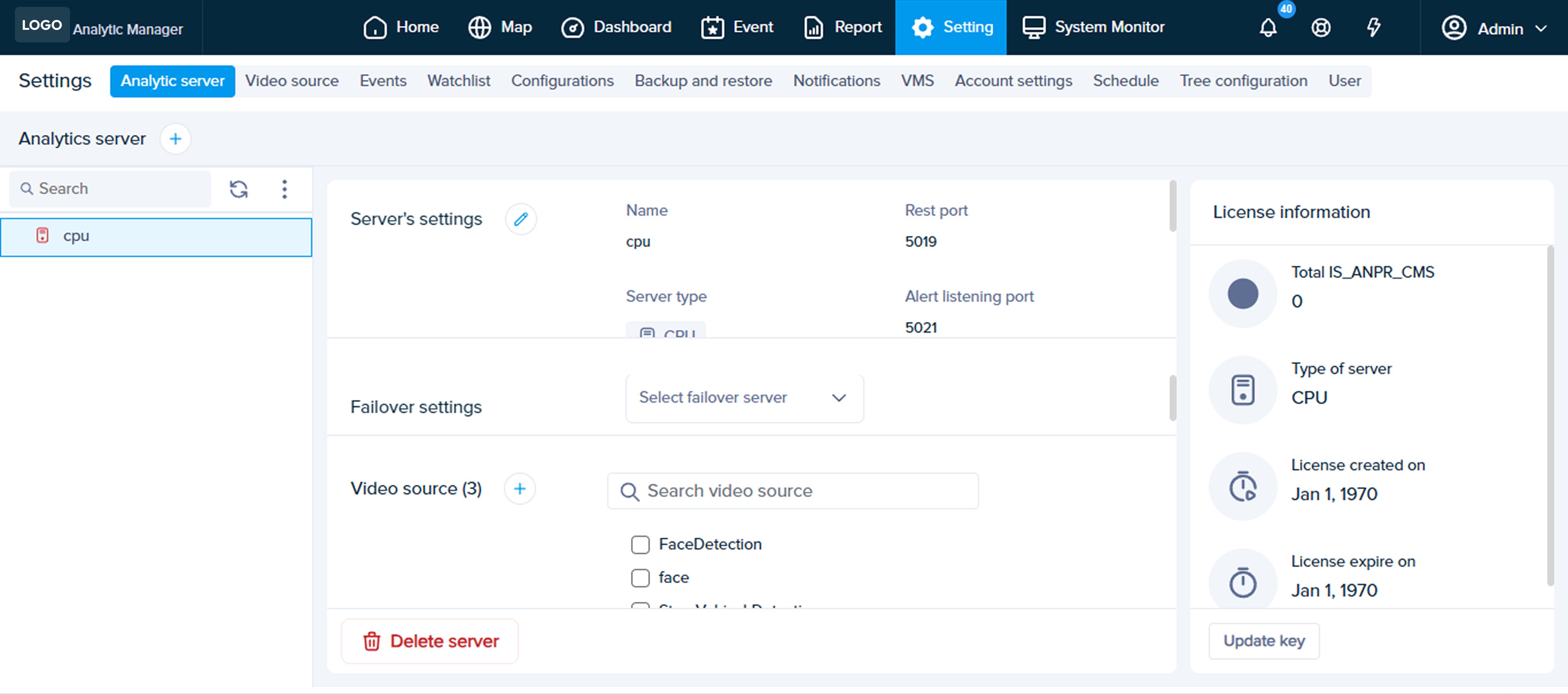
Orbixa Vision's analytics capabilities grew into standalone products. ITMS for traffic management, FRS for face recognition, ANPR for number plate recognition, and ICCC for integrated command and control. Each shipped as its own desktop application, built independently, with its own interface and navigation patterns. Nothing was shared between them. That created two different problems. One for the business, in cost and scalability. One for the security teams using them, in speed and accuracy. I looked at both, because they needed different arguments.

Operational complexity in distributed surveillance environments
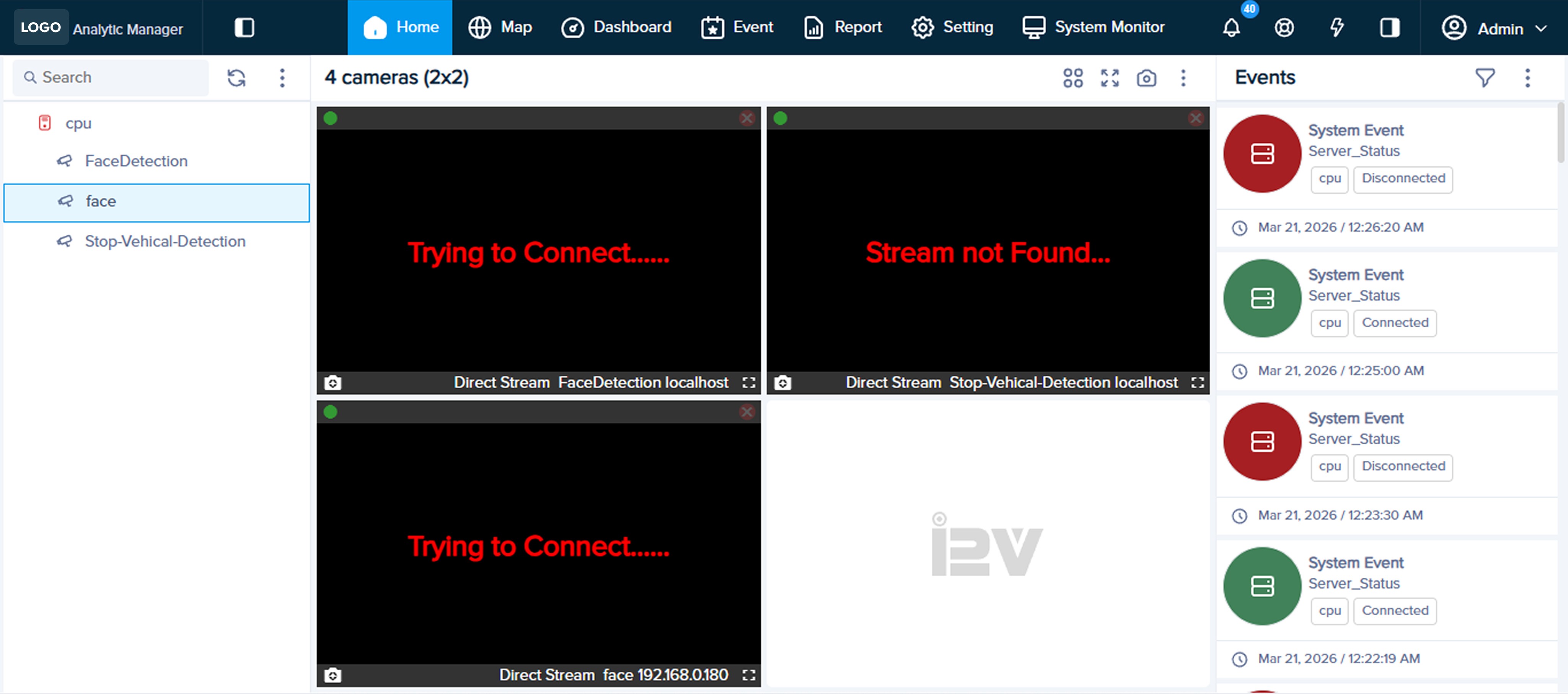
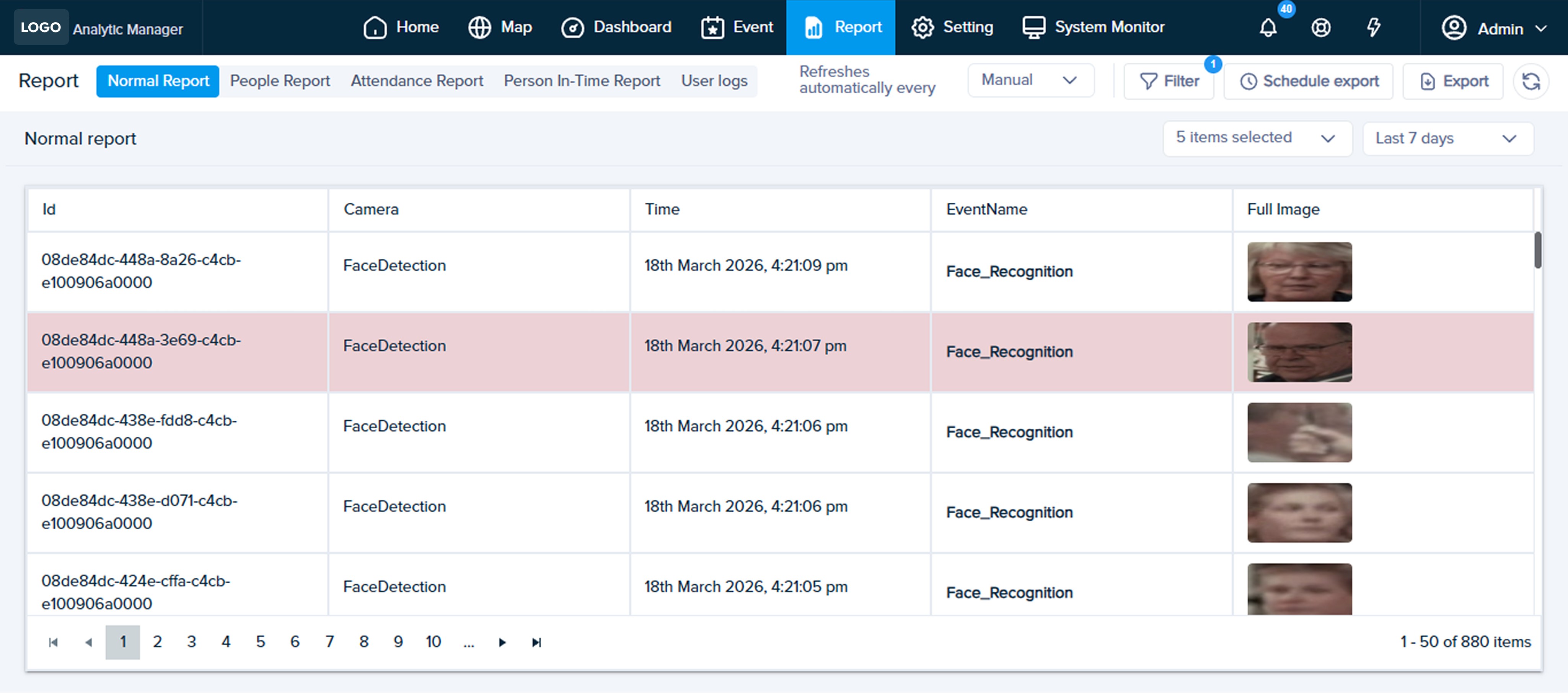
Security teams managing multiple analytics platforms (ITMS, FRS, ICCC, Analytic Manager) encountered workflow inefficiencies and inconsistent interfaces during critical operations.
Business Challenges



User Challenges


Research & Insights
How improvements were measured
We counted steps and navigation depth before and after, so those two are hard numbers. The investigation and onboarding figures were our projections based on those reductions, not measured outcomes.


The Solution
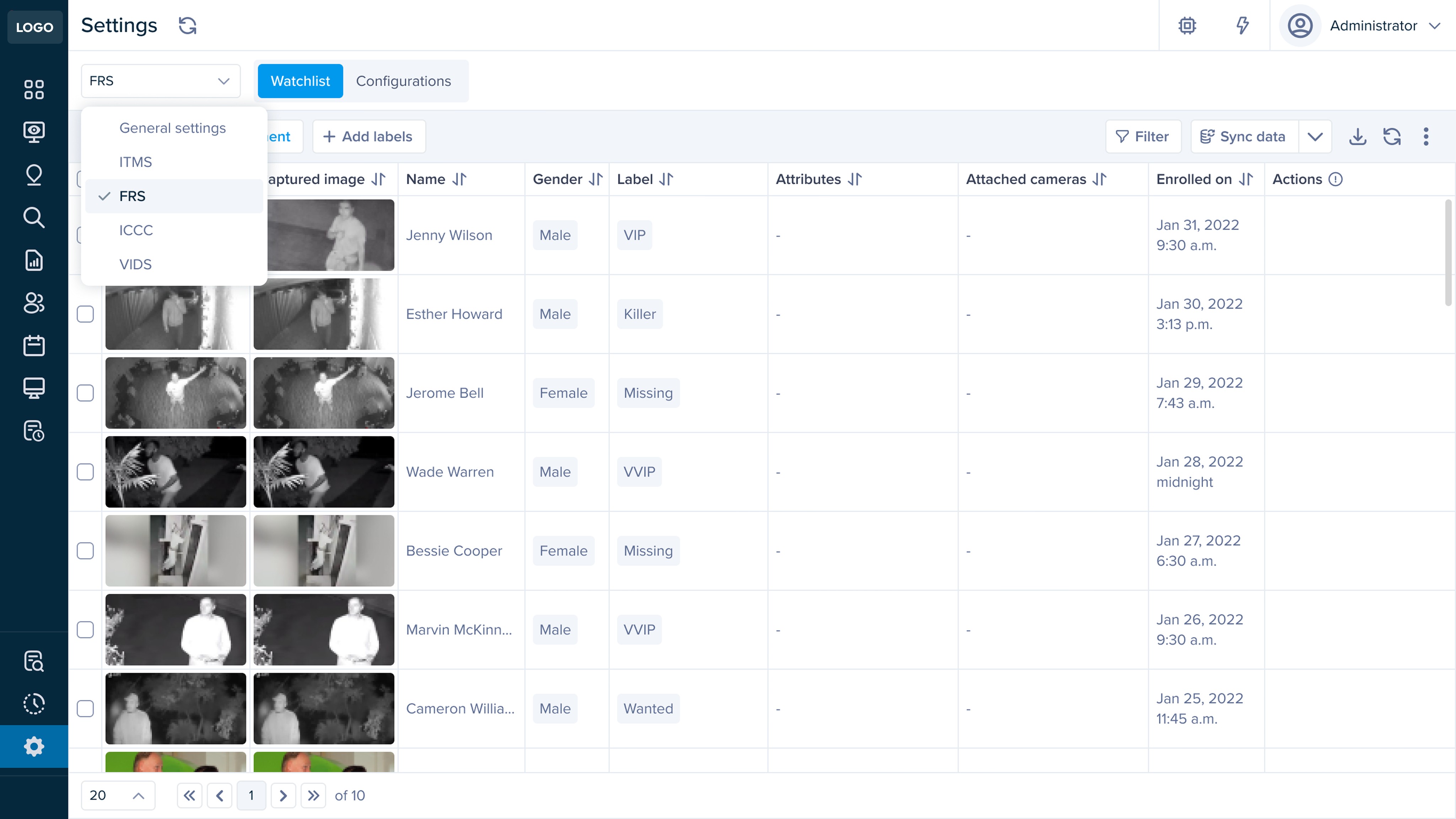
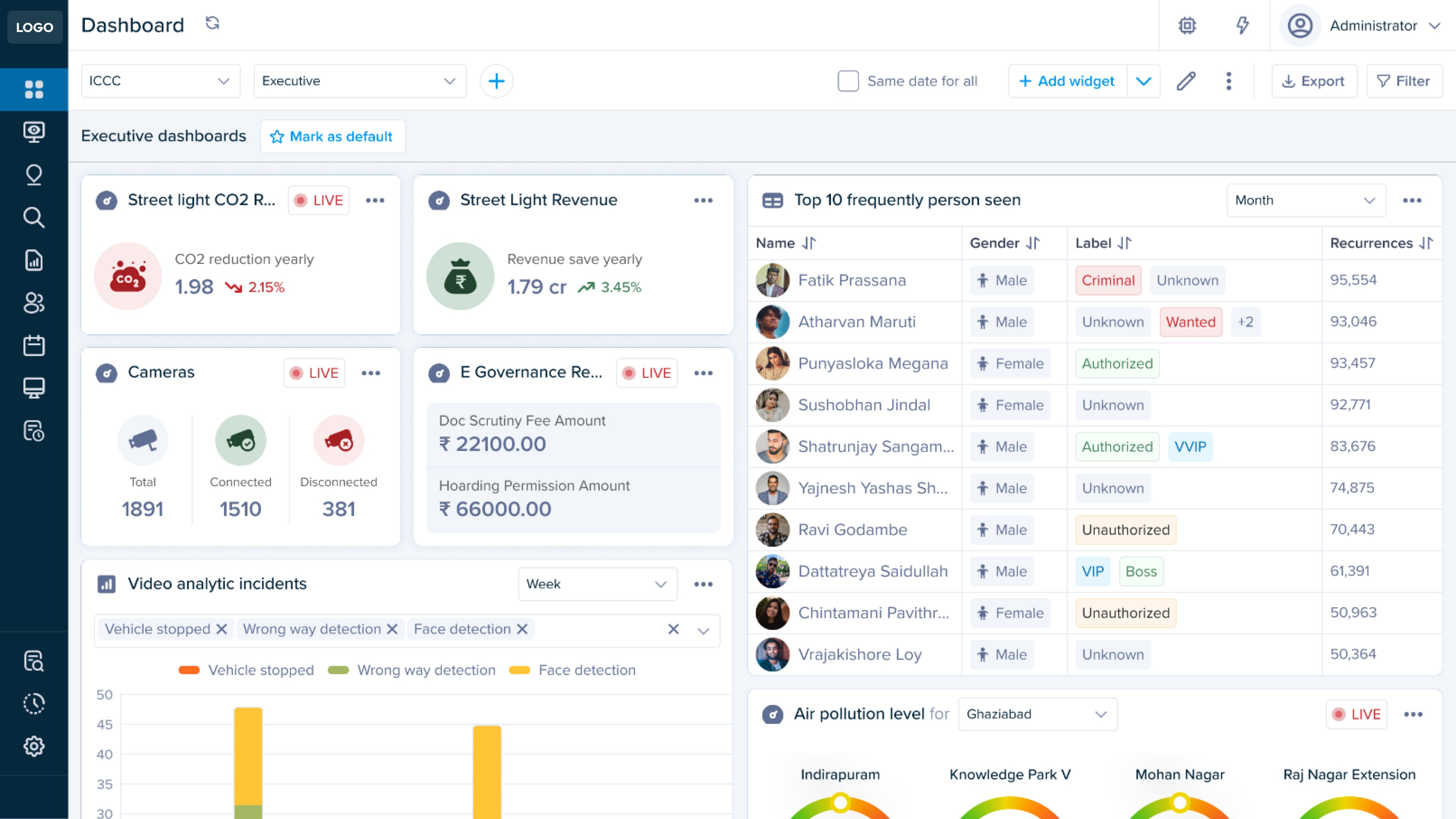
A system-level approach to restructuring analytics workflows, navigation, and visual patterns.



Constraints and Trade-offs
Where the difficulty actually sat once the direction was set, and the calls I made in each case.
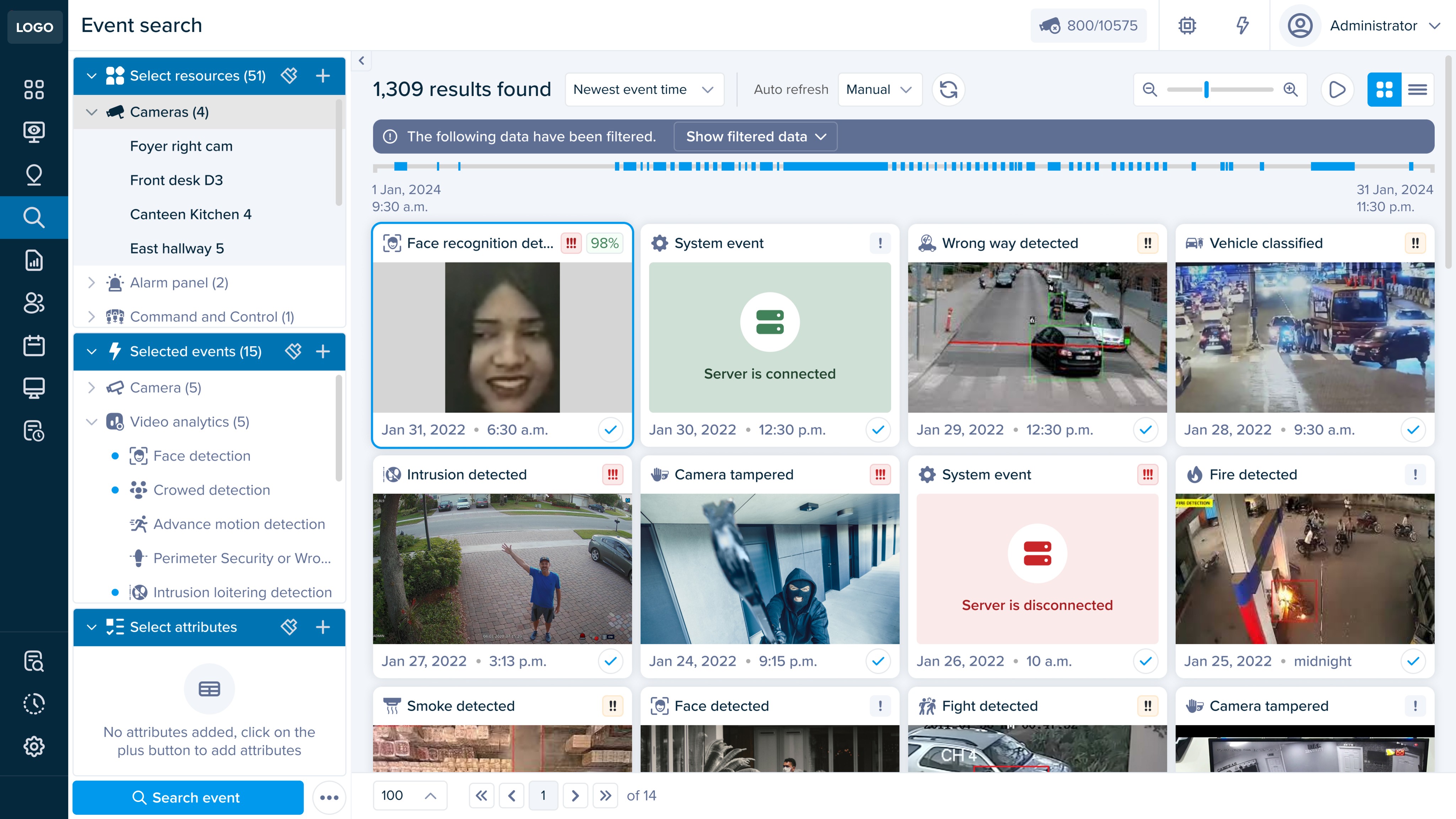
Balancing consolidation with usability
Merging multiple complex systems while maintaining task clarity
Prioritized workflow integrity over feature density. Designed progressive disclosure patterns and contextual navigation to surface relevant tools at the right moment without overwhelming operators.
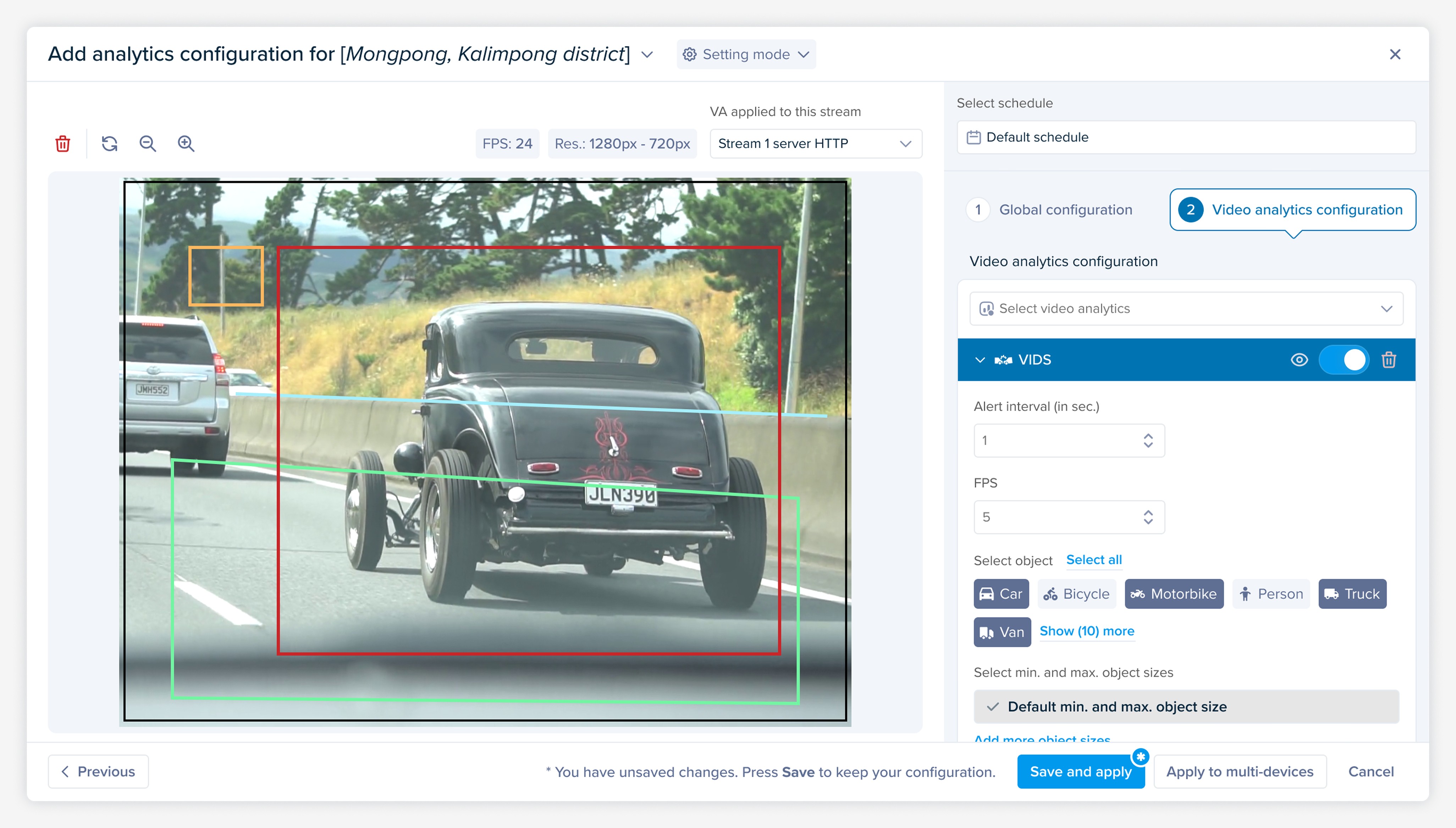
Structuring complex analytics workflows
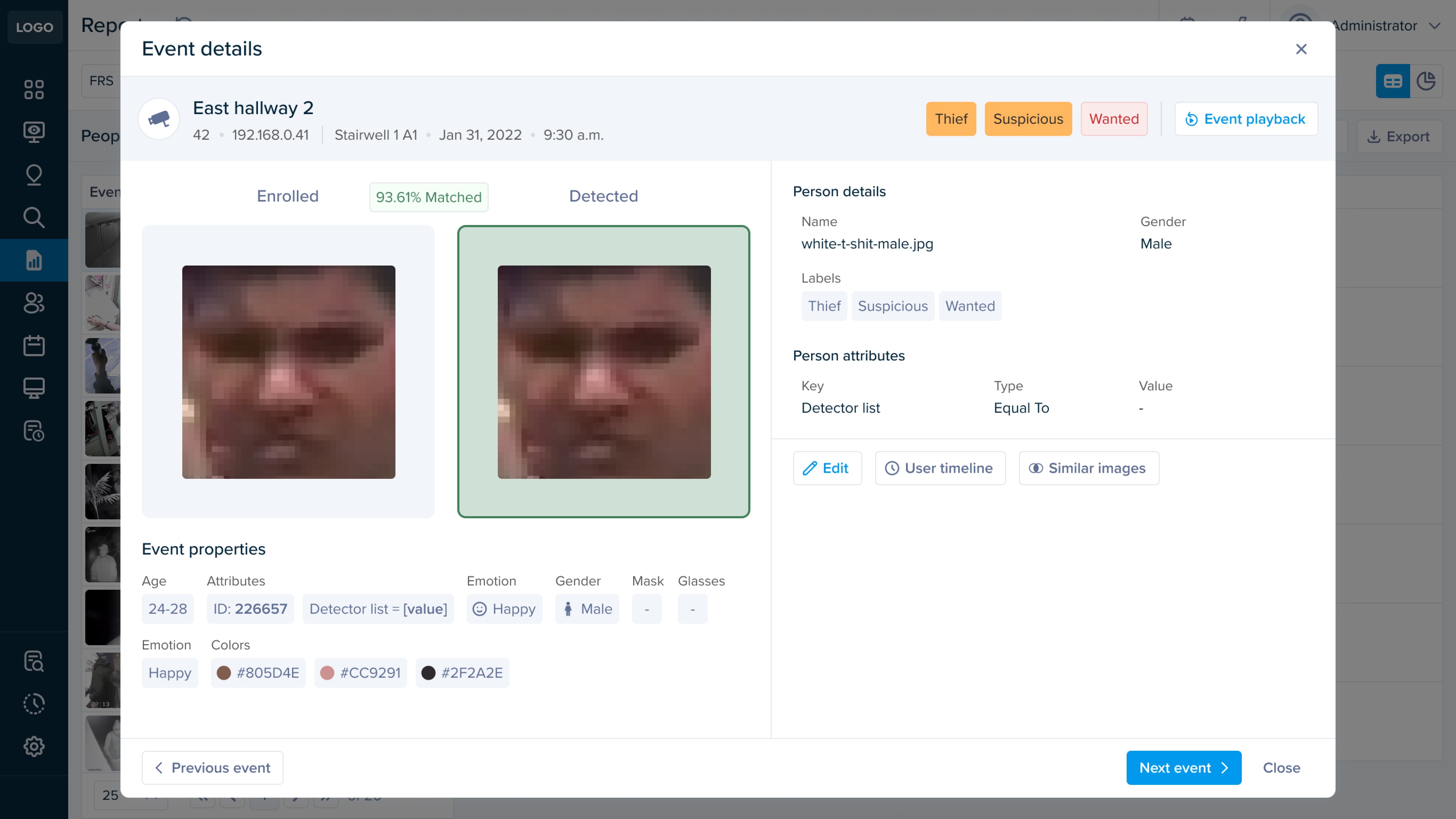
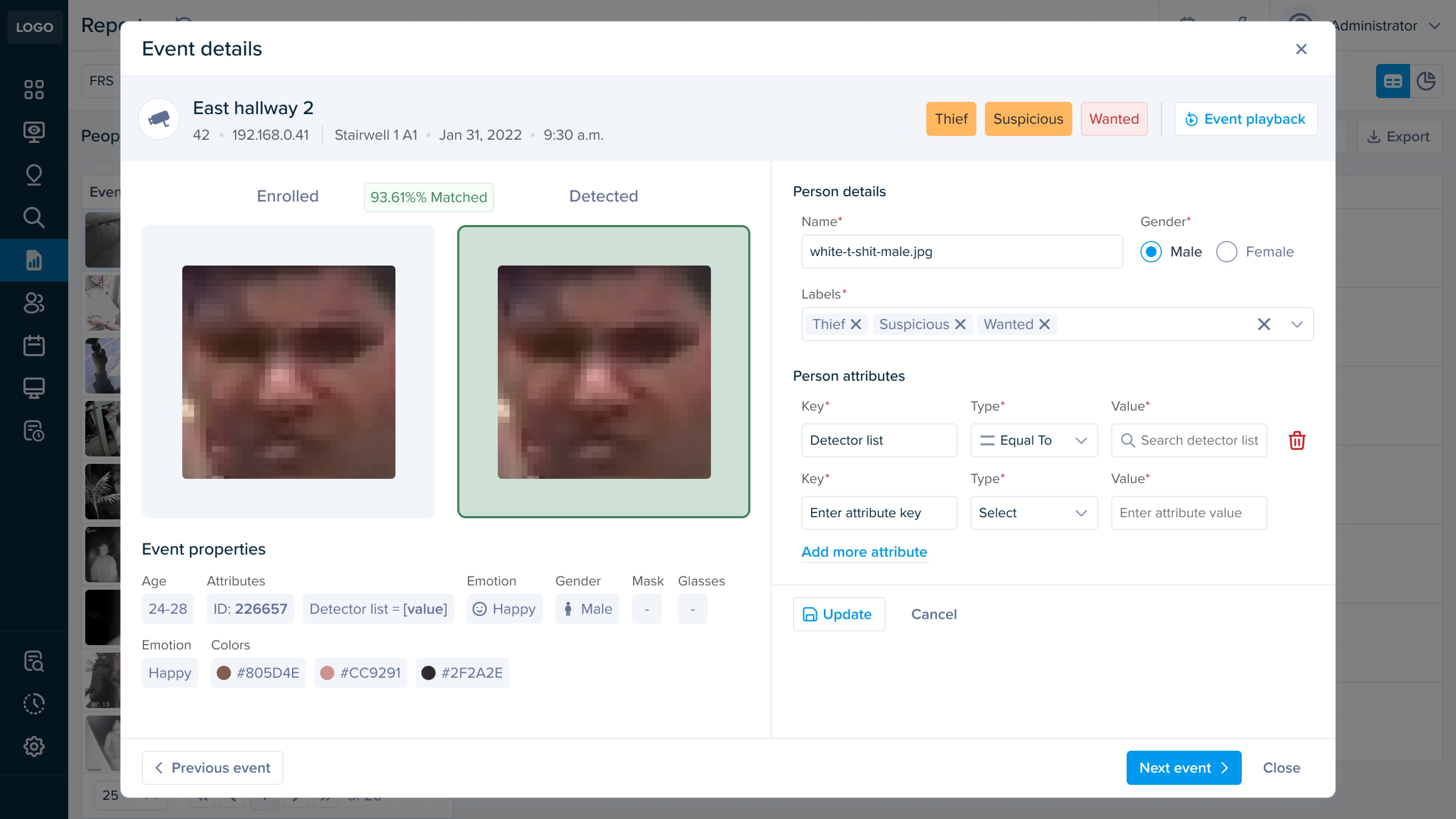
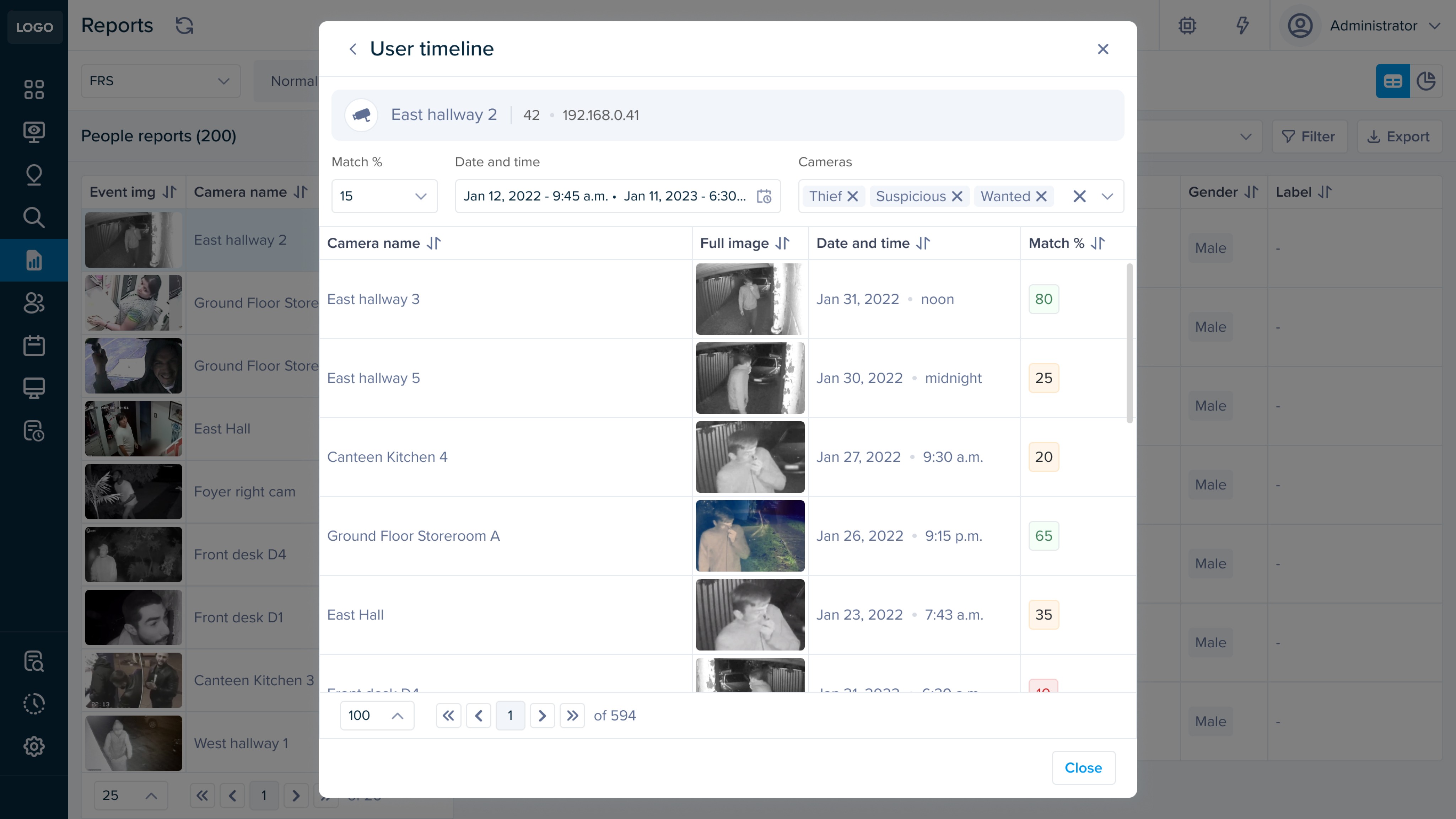
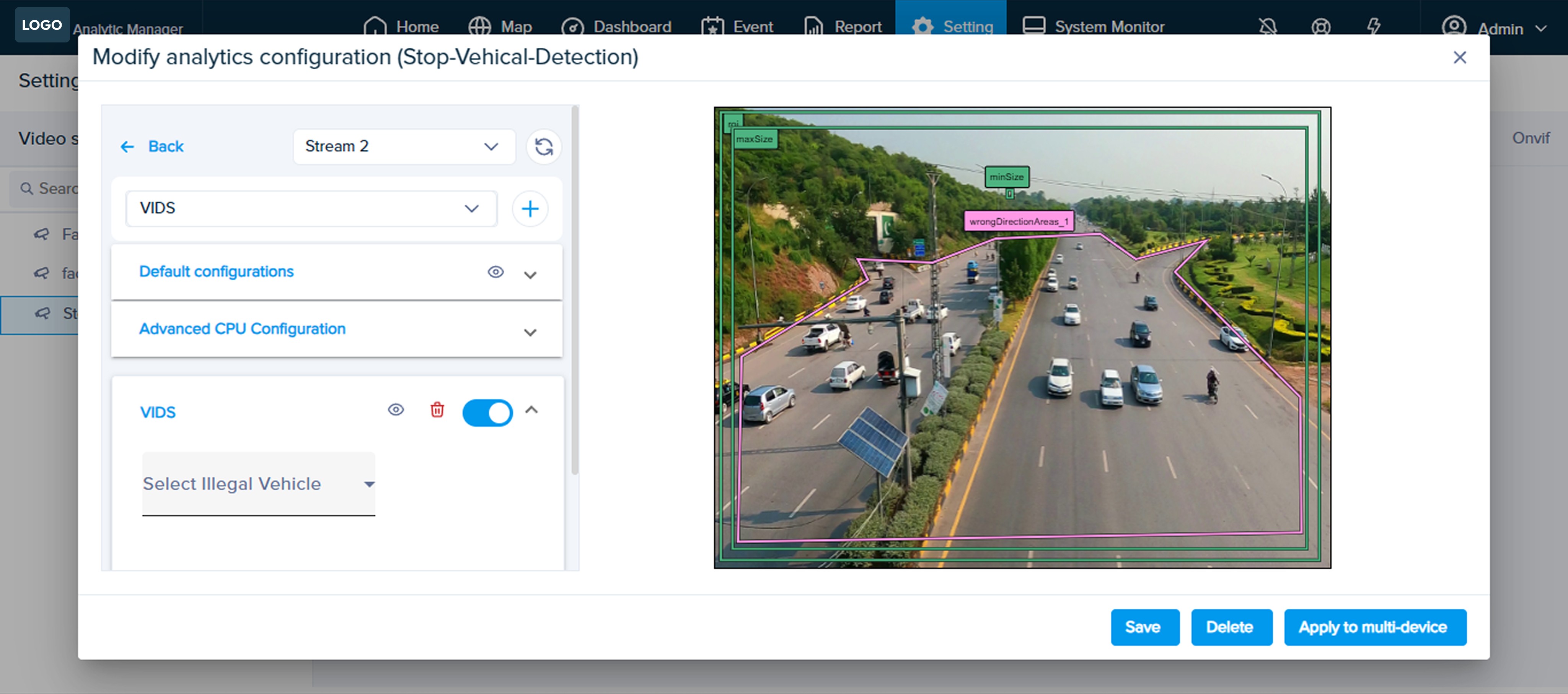
Analytics configuration involved nested settings and real-time dependencies
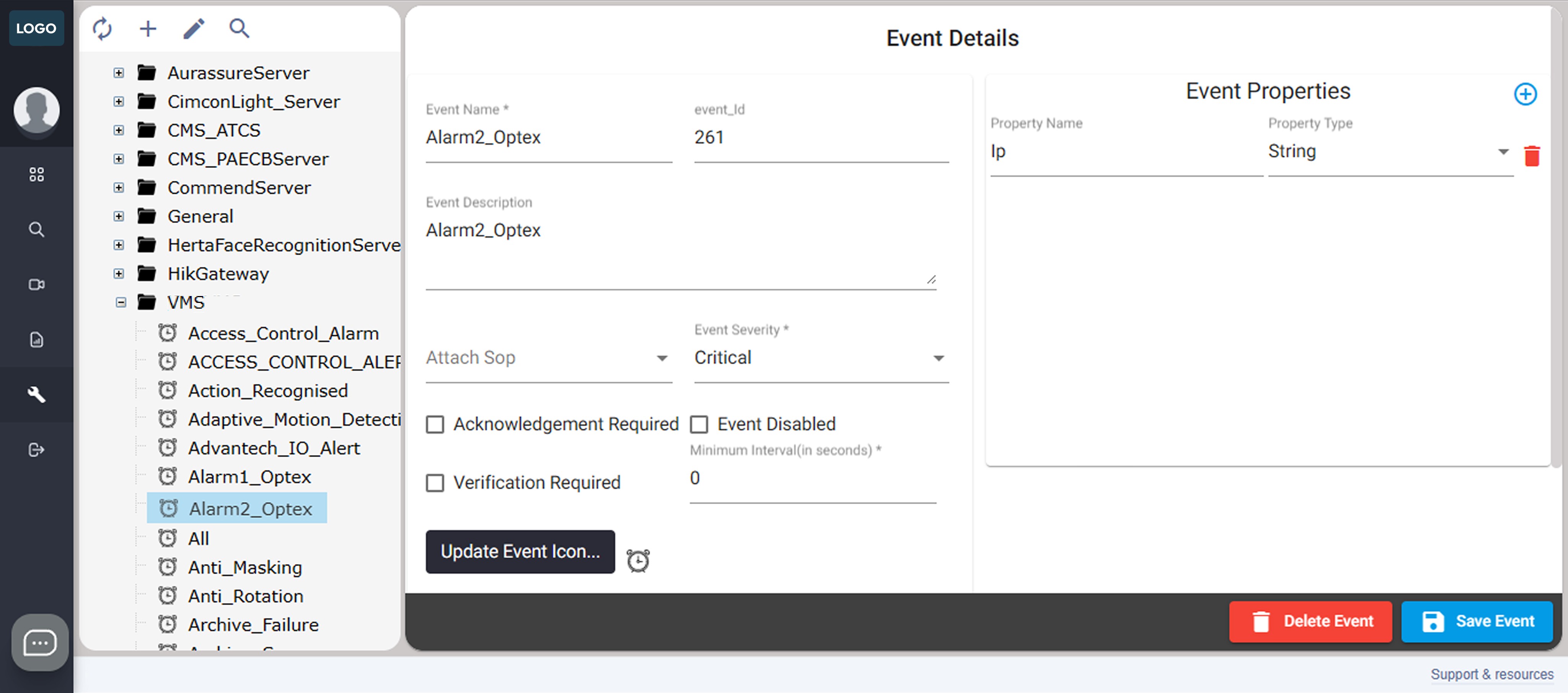
Introduced guided configuration flows with clear visual hierarchy, status indicators, and validation feedback. Separated setup, monitoring, and investigation into distinct but connected workflows.
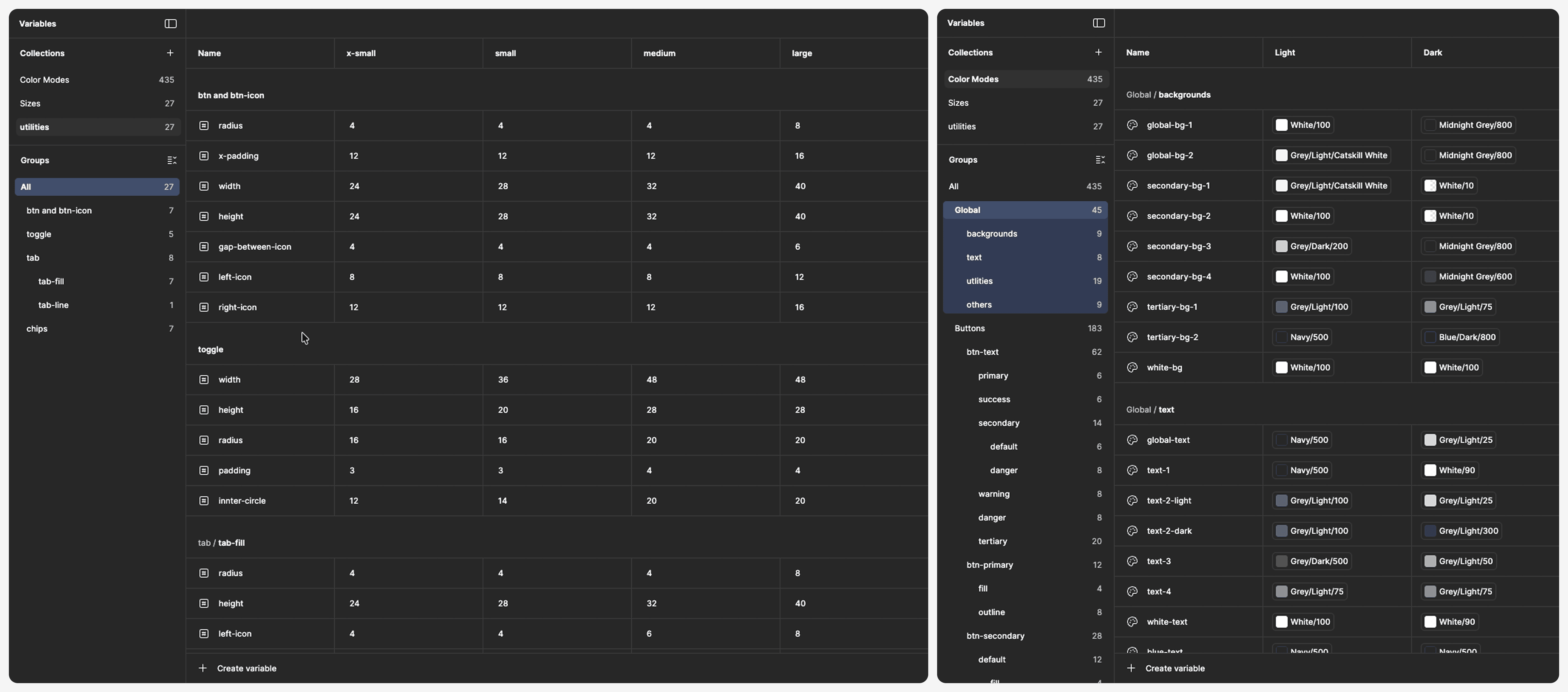
Maintaining consistency across teams
Multiple teams working on evolving modules with different timelines
Established design system foundation with reusable components, interaction patterns, and documentation. Created review checkpoints to ensure alignment as modules scaled independently.

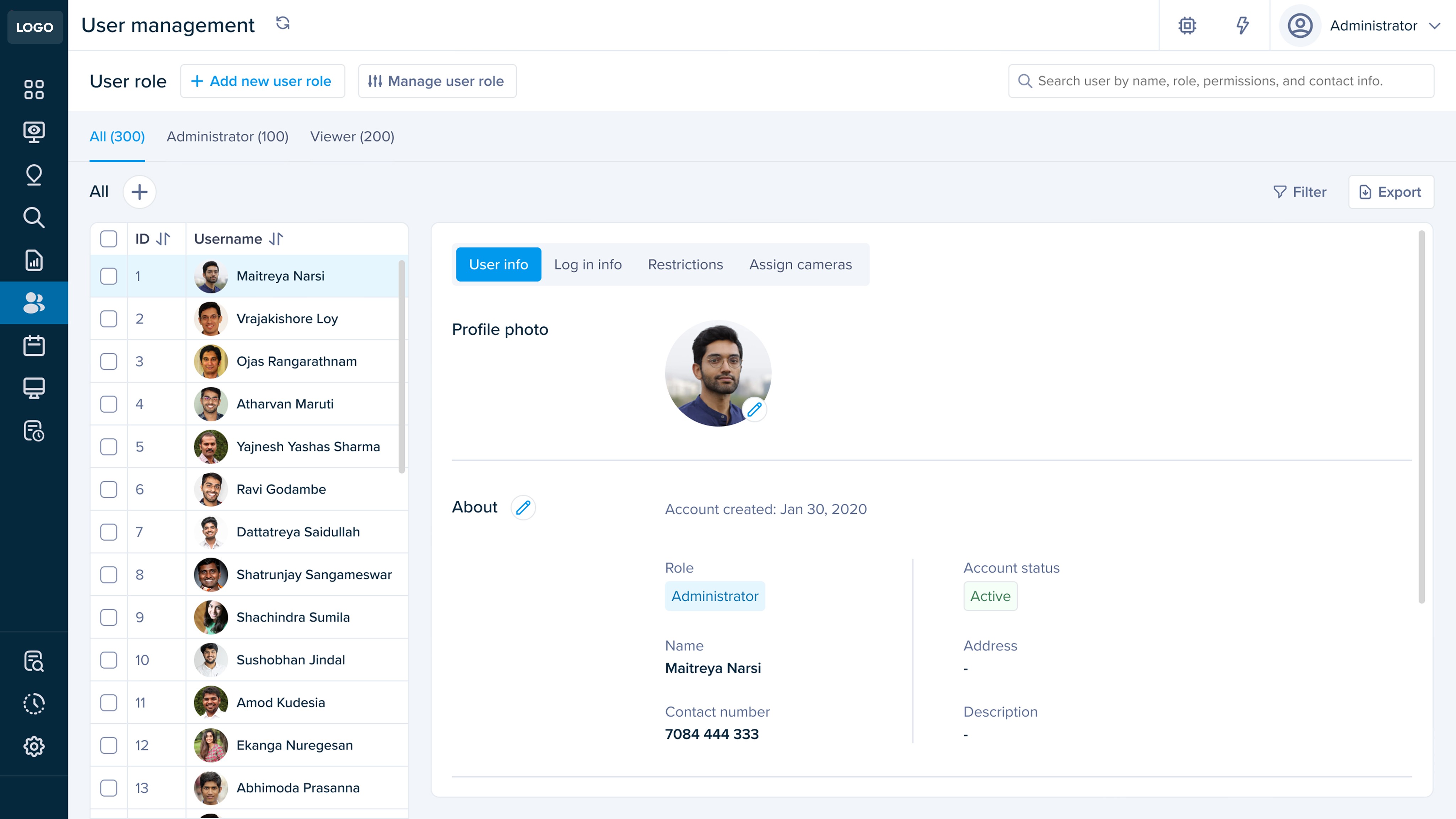
Outcome & Impact
The redesign established a structured analytics platform that improved operational efficiency and positioned the product for sustainable growth.


"The unified platform approach significantly improved our ability to demonstrate analytics capabilities to enterprise clients. The structured design foundation is enabling faster feature development across modules."
Product & Engineering Leadership
Orbixa Vision

KEY LEARNING
Enterprise transformation requires structuring workflows, information, and patterns, not just merging features.
Enterprise transformation requires structuring workflows, information, and patterns, not just merging features.
Successful platform consolidation isn't about combining interfaces, it's about creating coherent systems that scale, patterns that persist, and foundations that enable future growth.
Successful platform consolidation isn't about combining interfaces, it's about creating coherent systems that scale, patterns that persist, and foundations that enable future growth.
More Projects

Hi
Hi
Curious about the process behind the pixels?
Dive into the stories behind each project, how design decisions shaped better user experiences.
Enterprise application design
Orbixa Vision Analytic Manager
Orbixa Vision Analytic Manager
Unifying fragmented video intelligence tools into a scalable analytics platform
Unifying fragmented video intelligence tools into a scalable analytics platform
Industry :
Video management software
Client :
Orbixa Vision Pvt. Ltd.
Project Overview
A single web platform that brings four independently built analytics products into one place, so operators in high-stakes environments stop switching between applications mid-investigation.
Background
Orbixa Vision sold its analytics capabilities as separate products: FRS for face recognition, ANPR for number plate recognition, ITMS for traffic management, and ICCC for integrated command and control. Each shipped as its own desktop application, with its own interface and its own way of working.
For operators at police headquarters, airports, and smart city control rooms, that meant moving between applications to complete a single investigation, and relearning a different interface each time, in conditions where speed matters.
My goal was to consolidate these into one web platform with a single, consistent way of working.
Web mattered for a practical reason. The desktop clients need substantial hardware at every deployment site. A web application removes most of that requirement, which lowers what it costs a client to run the product.
I built on the design system created during the VMS redesign, reusing roughly 80% of its components. That meant the hard part was never merging four interfaces into one. It was restructuring the workflows, information, and patterns underneath them.
My goal was to consolidate these into one web platform with a single, consistent way of working.
Web mattered for a practical reason. The desktop clients need substantial hardware at every deployment site. A web application removes most of that requirement, which lowers what it costs a client to run the product.
I built on the design system created during the VMS redesign, reusing roughly 80% of its components. That meant the hard part was never merging four interfaces into one. It was restructuring the workflows, information, and patterns underneath them.
The Problem
Analytics capabilities had grown into separate products, each with its own application and its own way of working.
Orbixa Vision's analytics capabilities grew into standalone products. ITMS for traffic management, FRS for face recognition, ANPR for number plate recognition, and ICCC for integrated command and control. Each shipped as its own desktop application, built independently, with its own interface and navigation patterns. Nothing was shared between them. That created two different problems. One for the business, in cost and scalability. One for the security teams using them, in speed and accuracy. I looked at both, because they needed different arguments.
Operational complexity in distributed surveillance environments
Security teams managing multiple analytics platforms (ITMS, FRS, ICCC, Analytic Manager) encountered workflow inefficiencies and inconsistent interfaces during critical operations.
Business Challenges
User Challenges
Research & Insights
How improvements were measured
We counted steps and navigation depth before and after, so those two are hard numbers. The investigation and onboarding figures were our projections based on those reductions, not measured outcomes.
The Solution
A system-level approach to restructuring analytics workflows, navigation, and visual patterns.
Constraints and Trade-offs
Where the difficulty actually sat once the direction was set, and the calls I made in each case.
Balancing consolidation with usability
Merging multiple complex systems while maintaining task clarity
Prioritized workflow integrity over feature density. Designed progressive disclosure patterns and contextual navigation to surface relevant tools at the right moment without overwhelming operators.
Structuring complex analytics workflows
Analytics configuration involved nested settings and real-time dependencies
Introduced guided configuration flows with clear visual hierarchy, status indicators, and validation feedback. Separated setup, monitoring, and investigation into distinct but connected workflows.
Maintaining consistency across teams
Multiple teams working on evolving modules with different timelines
Established design system foundation with reusable components, interaction patterns, and documentation. Created review checkpoints to ensure alignment as modules scaled independently.
Outcome & Impact
The redesign established a structured analytics platform that improved operational efficiency and positioned the product for sustainable growth.
"The unified platform approach significantly improved our ability to demonstrate analytics capabilities to enterprise clients. The structured design foundation is enabling faster feature development across modules."
Product & Engineering Leadership
Orbixa Vision
KEY LEARNING
Enterprise transformation requires structuring workflows, information, and patterns, not just merging features.
Enterprise transformation requires structuring workflows, information, and patterns, not just merging features.
Successful platform consolidation isn't about combining interfaces, it's about creating coherent systems that scale, patterns that persist, and foundations that enable future growth.
Successful platform consolidation isn't about combining interfaces, it's about creating coherent systems that scale, patterns that persist, and foundations that enable future growth.
More Projects
Hi
Hi
Curious about the process behind the pixels?
Dive into the stories behind each project, how design decisions shaped better user experiences.
Enterprise application design
Orbixa Vision Analytic Manager
Orbixa Vision Analytic Manager
Unifying fragmented video intelligence tools into a scalable analytics platform
Unifying fragmented video intelligence tools into a scalable analytics platform
Industry :
Video management software
Client :
Orbixa Vision Pvt. Ltd.
Project Overview
A single web platform that brings four independently built analytics products into one place, so operators in high-stakes environments stop switching between applications mid-investigation.
Background
Orbixa Vision sold its analytics capabilities as separate products: FRS for face recognition, ANPR for number plate recognition, ITMS for traffic management, and ICCC for integrated command and control. Each shipped as its own desktop application, with its own interface and its own way of working.
For operators at police headquarters, airports, and smart city control rooms, that meant moving between applications to complete a single investigation, and relearning a different interface each time, in conditions where speed matters.
My goal was to consolidate these into one web platform with a single, consistent way of working.
Web mattered for a practical reason. The desktop clients need substantial hardware at every deployment site. A web application removes most of that requirement, which lowers what it costs a client to run the product.
I built on the design system created during the VMS redesign, reusing roughly 80% of its components. That meant the hard part was never merging four interfaces into one. It was restructuring the workflows, information, and patterns underneath them.
My goal was to consolidate these into one web platform with a single, consistent way of working.
Web mattered for a practical reason. The desktop clients need substantial hardware at every deployment site. A web application removes most of that requirement, which lowers what it costs a client to run the product.
I built on the design system created during the VMS redesign, reusing roughly 80% of its components. That meant the hard part was never merging four interfaces into one. It was restructuring the workflows, information, and patterns underneath them.
The Problem
Analytics capabilities had grown into separate products, each with its own application and its own way of working.
Orbixa Vision's analytics capabilities grew into standalone products. ITMS for traffic management, FRS for face recognition, ANPR for number plate recognition, and ICCC for integrated command and control. Each shipped as its own desktop application, built independently, with its own interface and navigation patterns. Nothing was shared between them. That created two different problems. One for the business, in cost and scalability. One for the security teams using them, in speed and accuracy. I looked at both, because they needed different arguments.
Operational complexity in distributed surveillance environments
Security teams managing multiple analytics platforms (ITMS, FRS, ICCC, Analytic Manager) encountered workflow inefficiencies and inconsistent interfaces during critical operations.
Business Challenges
User Challenges
Research & Insights
How improvements were measured
We counted steps and navigation depth before and after, so those two are hard numbers. The investigation and onboarding figures were our projections based on those reductions, not measured outcomes.
The Solution
A system-level approach to restructuring analytics workflows, navigation, and visual patterns.
Constraints and Trade-offs
Where the difficulty actually sat once the direction was set, and the calls I made in each case.
Balancing consolidation with usability
Merging multiple complex systems while maintaining task clarity
Prioritized workflow integrity over feature density. Designed progressive disclosure patterns and contextual navigation to surface relevant tools at the right moment without overwhelming operators.
Structuring complex analytics workflows
Analytics configuration involved nested settings and real-time dependencies
Introduced guided configuration flows with clear visual hierarchy, status indicators, and validation feedback. Separated setup, monitoring, and investigation into distinct but connected workflows.
Maintaining consistency across teams
Multiple teams working on evolving modules with different timelines
Established design system foundation with reusable components, interaction patterns, and documentation. Created review checkpoints to ensure alignment as modules scaled independently.
Outcome & Impact
The redesign established a structured analytics platform that improved operational efficiency and positioned the product for sustainable growth.
"The unified platform approach significantly improved our ability to demonstrate analytics capabilities to enterprise clients. The structured design foundation is enabling faster feature development across modules."
Product & Engineering Leadership
Orbixa Vision
KEY LEARNING
Enterprise transformation requires structuring workflows, information, and patterns, not just merging features.
Enterprise transformation requires structuring workflows, information, and patterns, not just merging features.
Successful platform consolidation isn't about combining interfaces, it's about creating coherent systems that scale, patterns that persist, and foundations that enable future growth.
Successful platform consolidation isn't about combining interfaces, it's about creating coherent systems that scale, patterns that persist, and foundations that enable future growth.
More Projects
Hi
Hi
Curious about the process behind the pixels?
Dive into the stories behind each project, how design decisions shaped better user experiences.