
Design systems
i2v design systems
i2v design systems
Building a unified design system to transform i2V’s multi-platform experience
Building a unified design system to transform i2V’s multi-platform experience
Year :
2025
Industry :
Video management software
Client :
i2V Systems Pvt. Ltd.
Project Duration :
6 Months
A centralized system that harmonizes UI patterns, accelerates development, and enhances usability across all i2V products.
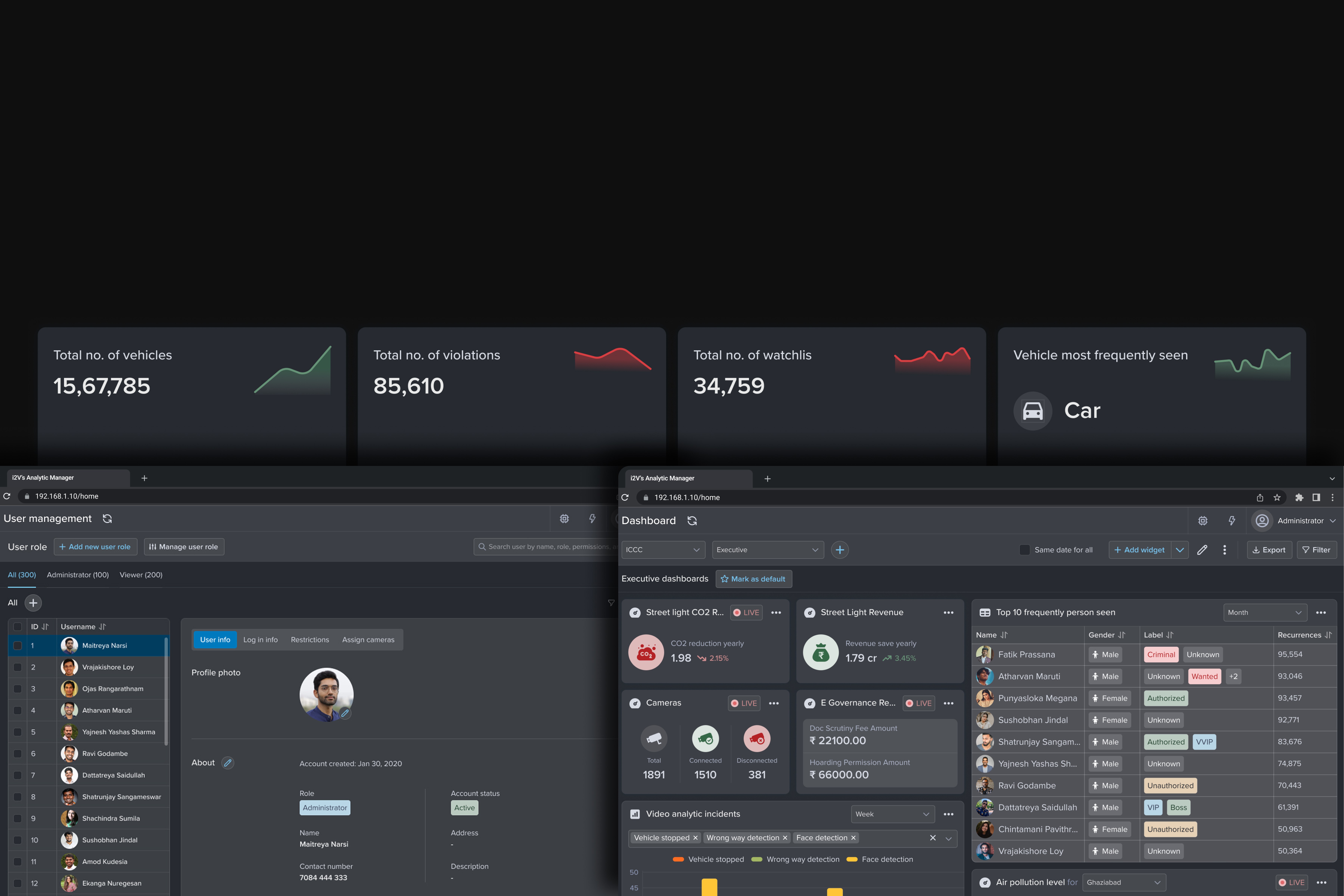
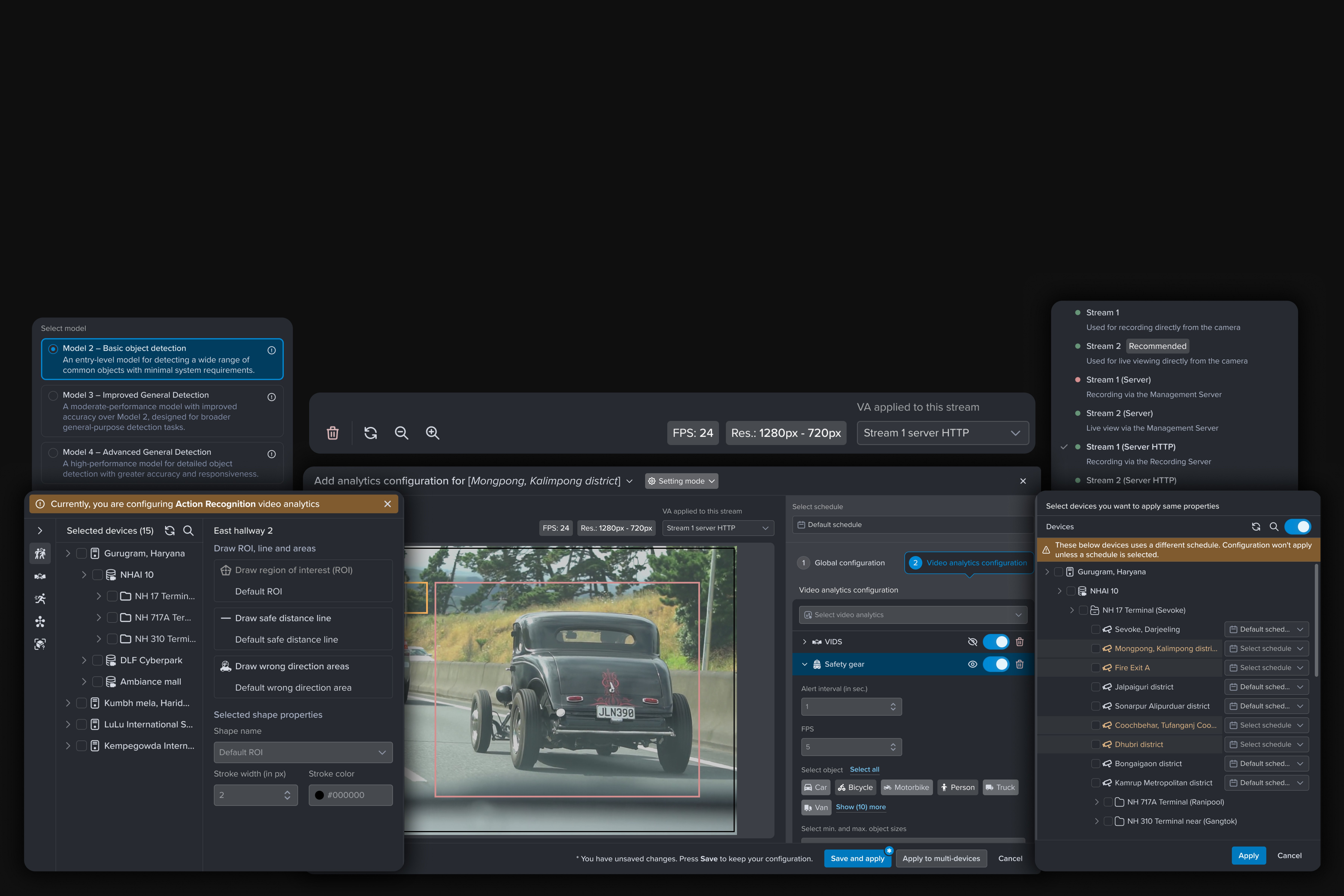
Inconsistent design patterns across desktop, web, and mobile products caused confusion for users and inefficiency for developers. I led the creation of a design system that standardized components, improved cross-product consistency, and empowered teams to build faster and smarter.
Problem
Connect to Content
Add layers or components to make infinite auto-playing slideshows.
Multiple products lacked standardized UI and interaction patterns.
Designers and developers spent excessive time reinventing components.
Users experienced cognitive load due to inconsistent layouts, controls, and workflows.
No single source of truth existed for design, causing slow handoffs and fragmented experiences.
Research & discovery
Conducted a full audit of all i2V products to identify inconsistencies.
Interviewed stakeholders: PMs, developers, QA, and designers.
Studied best practices in enterprise UX and component libraries.
Findings:
Components and layouts were inconsistent across products.
Redundant design work slowed development cycles.
Users struggled with non-uniform workflows.
Scope & stakeholders
Scope:
Cover all products and suites (Desktop, Web, Mobile).
Focus on reusable components, accessibility, and interaction guidelines.
Stakeholders:
Product Managers
Developers & QA
UX Designers
End Users (via feedback sessions)
Design principles
Consistency: Uniform patterns and interactions across all products.
Scalability: Components designed to expand across platforms.
Usability: Reduce cognitive load for users.
Efficiency: Enable faster product development.
Accessibility: Meet WCAG 2.1 AA standards.
System architecture & components
Connect to Content
Add layers or components to make infinite auto-playing slideshows.
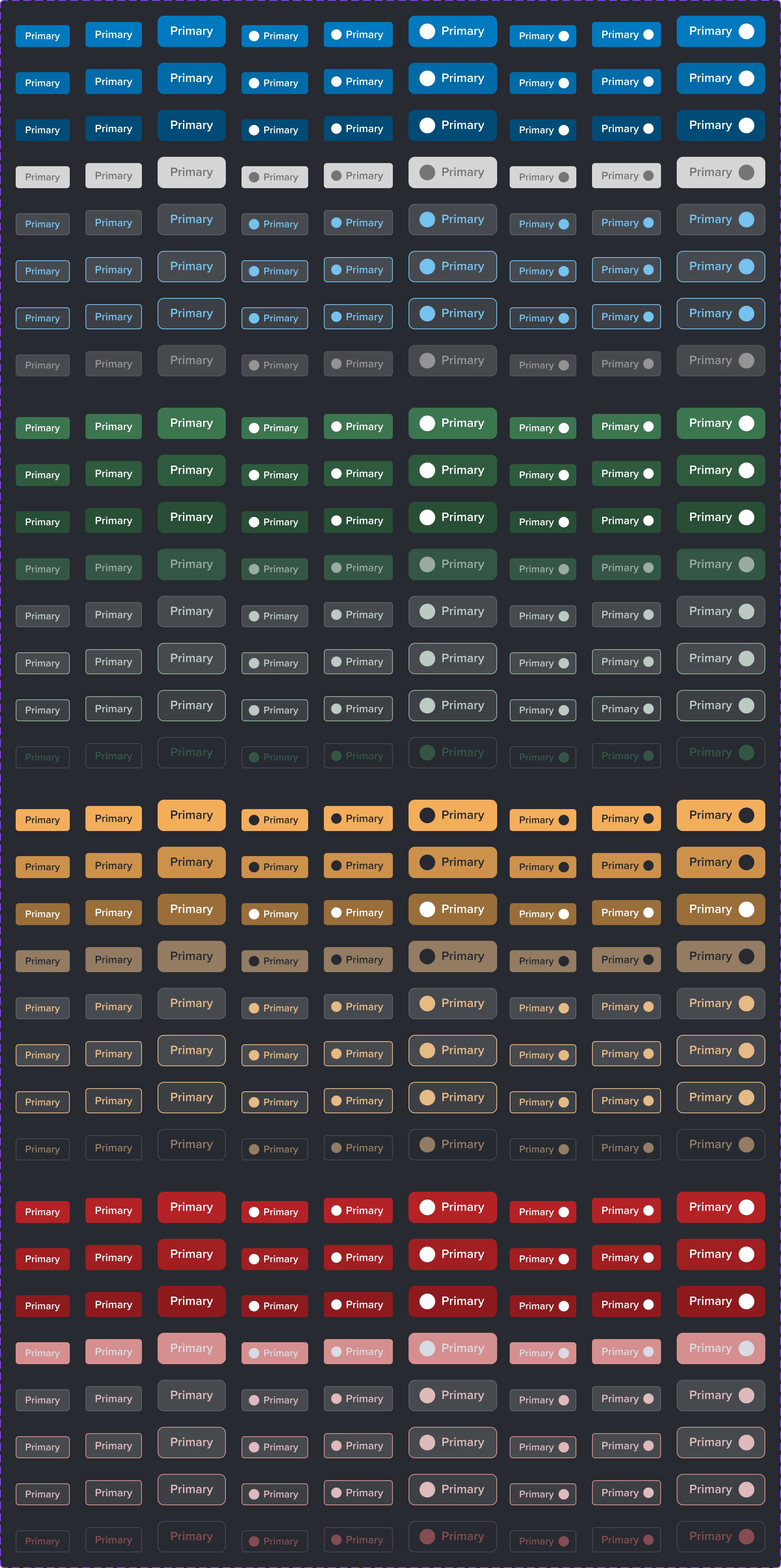
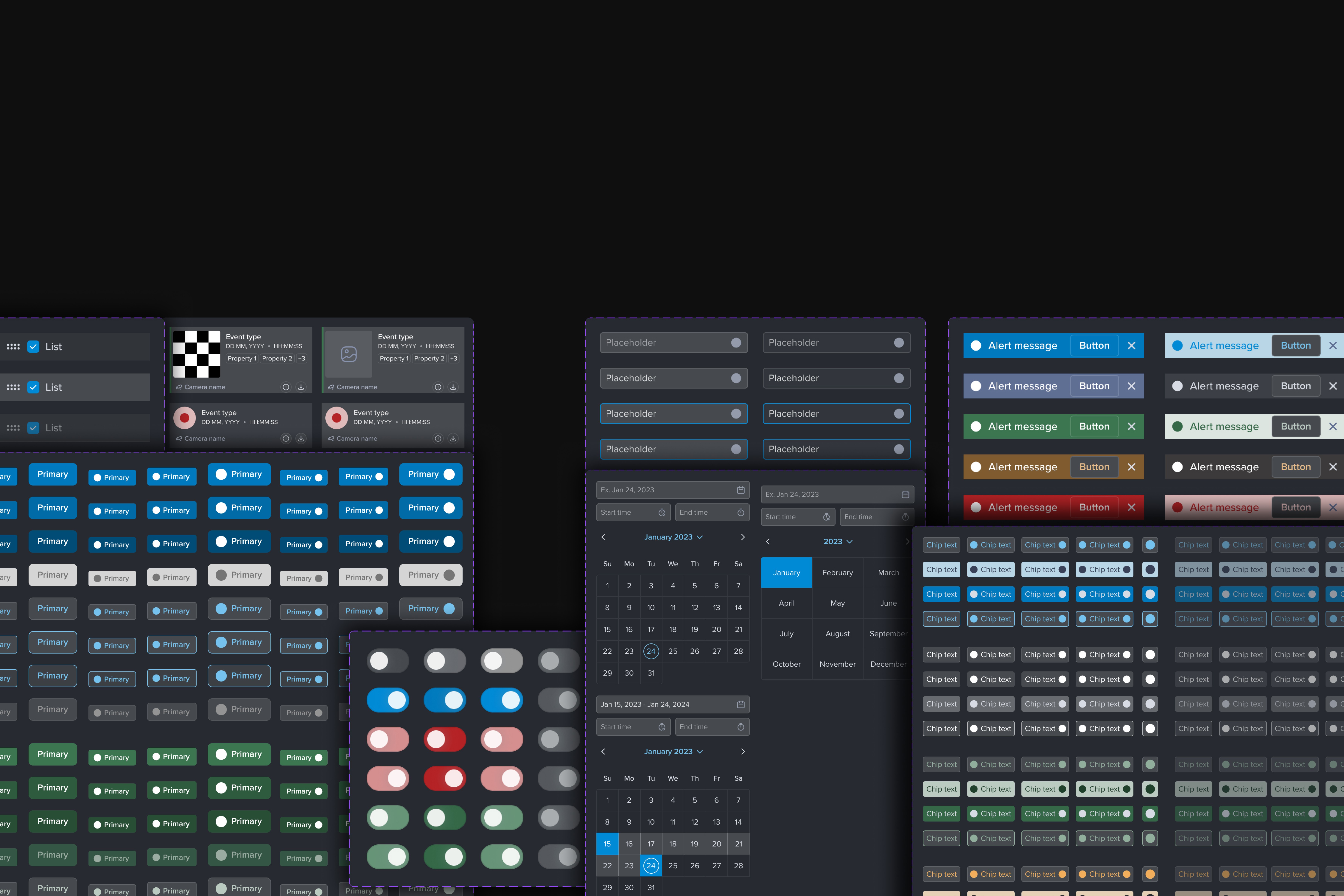
Atomic Design Approach:
Atoms: Buttons, inputs, typography, colors
Molecules: Form groups, tables, modals
Organisms: Cards, dashboards, navigation patterns
Workflow integration
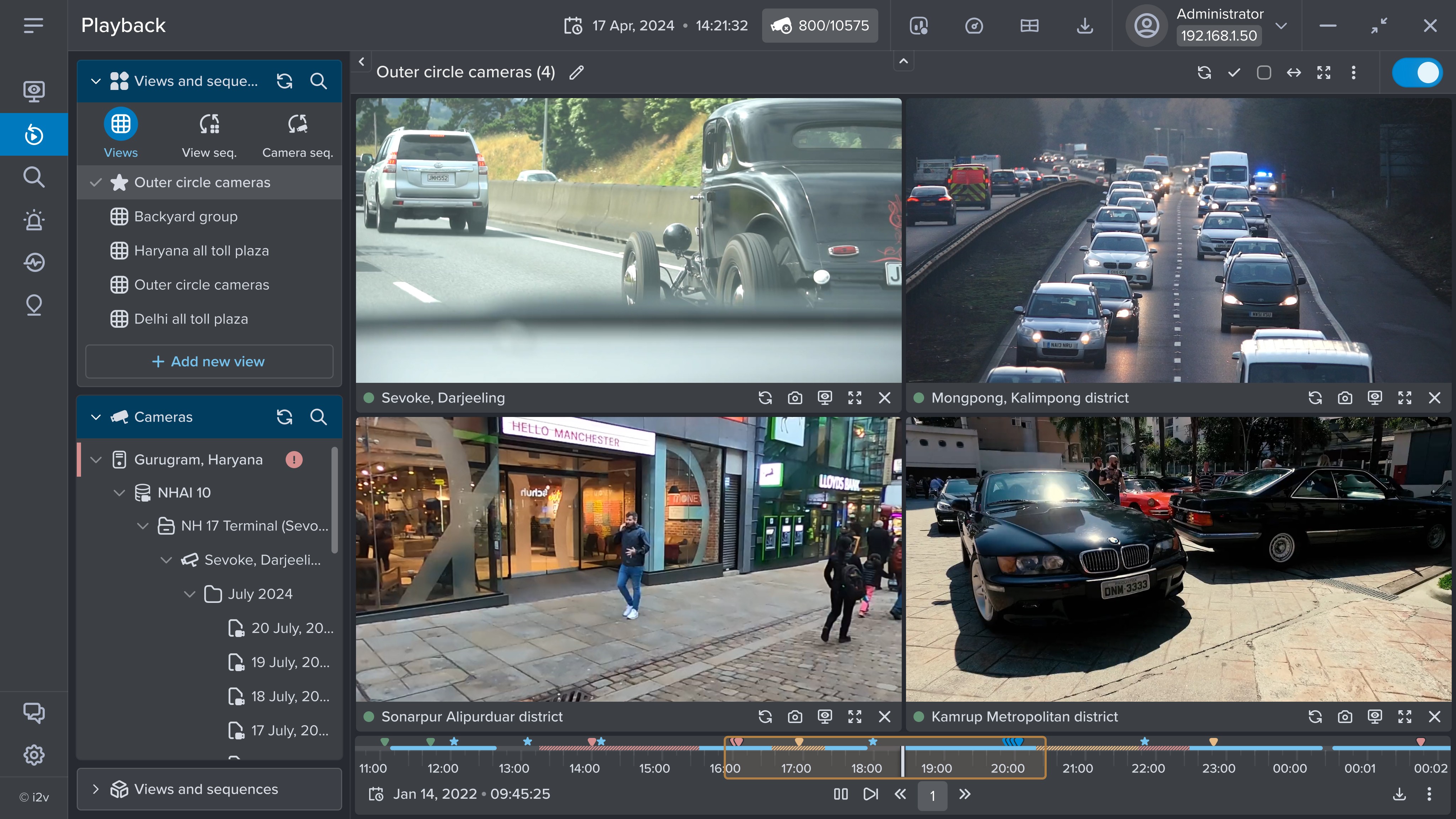

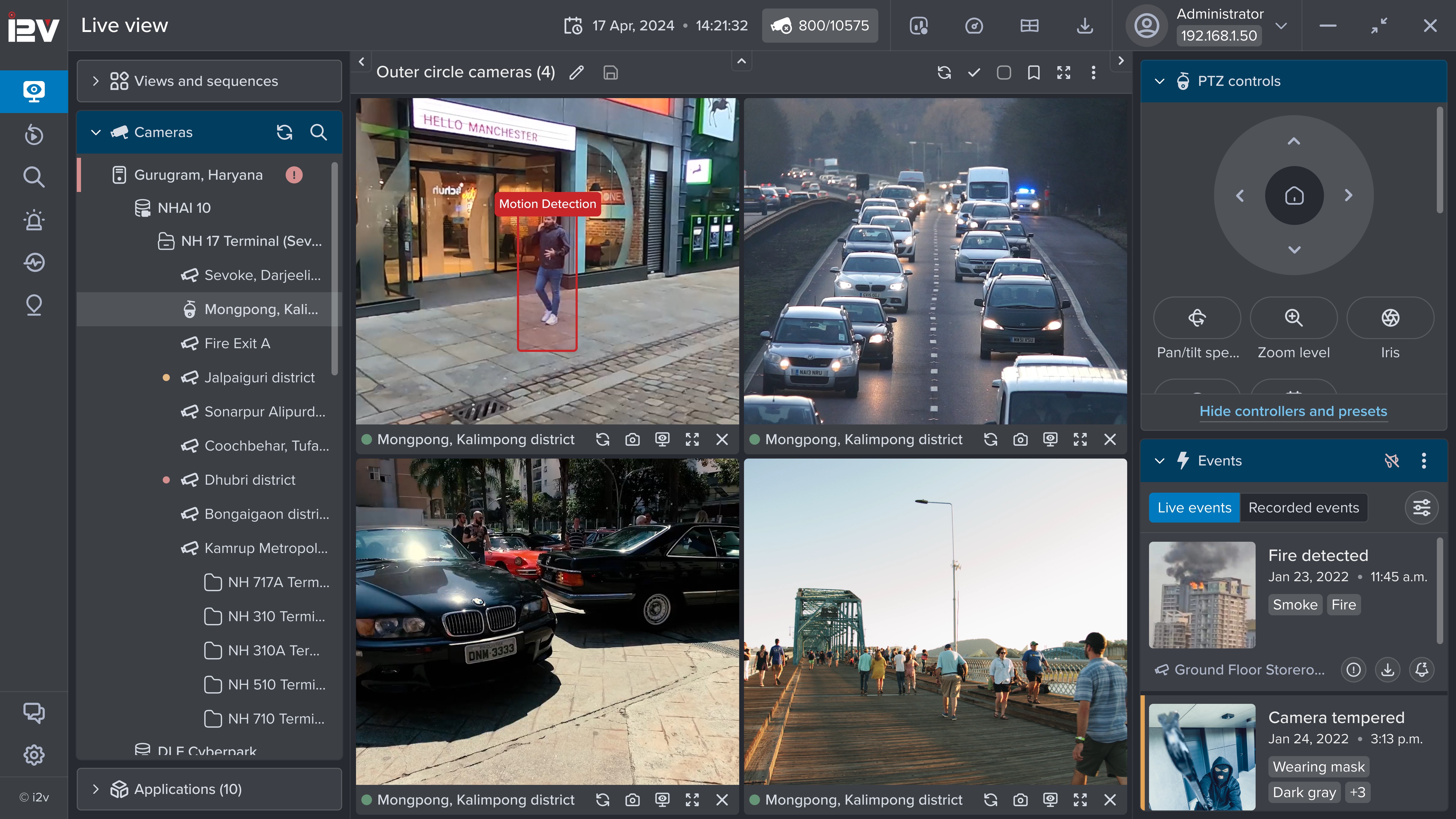
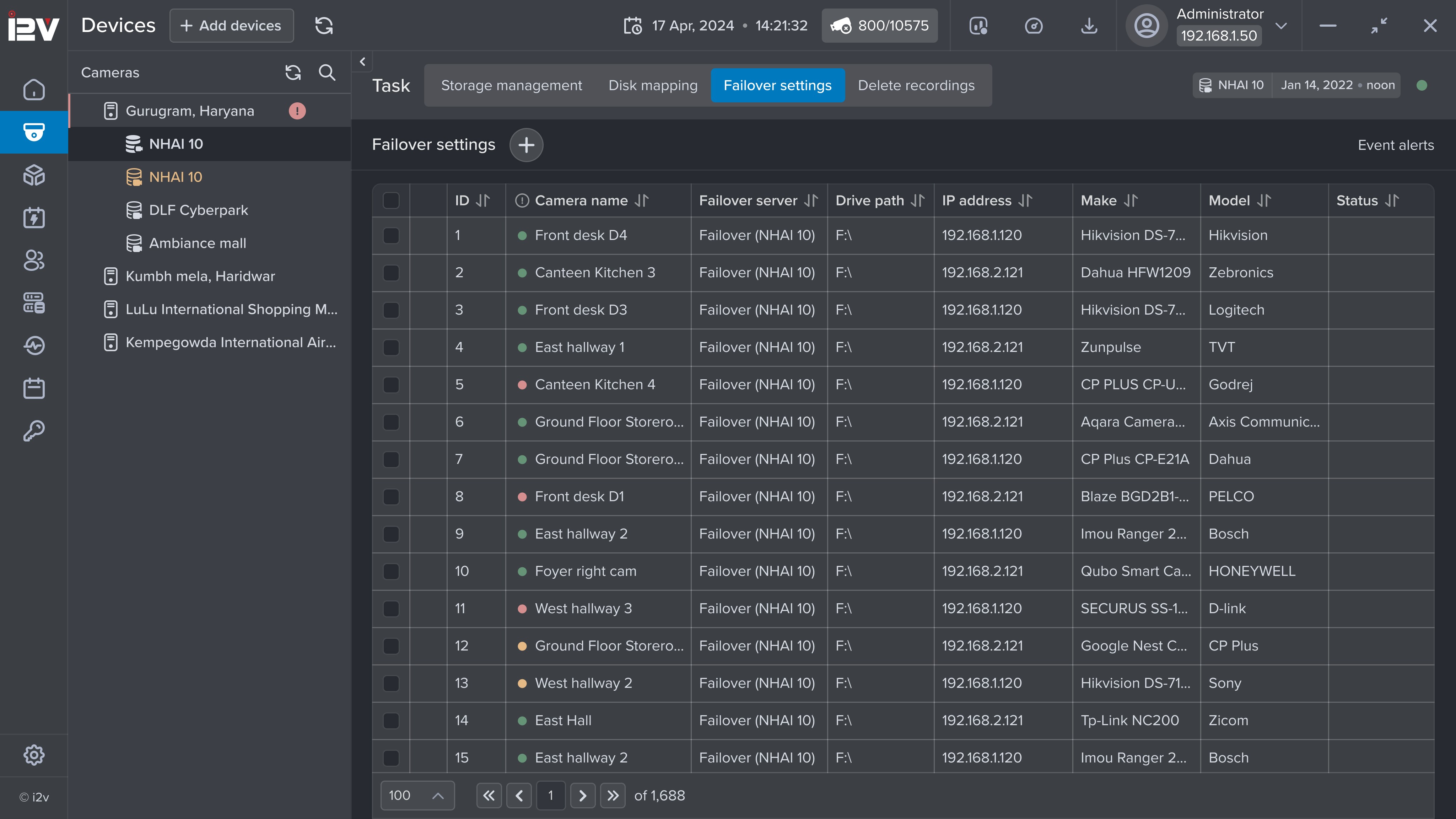
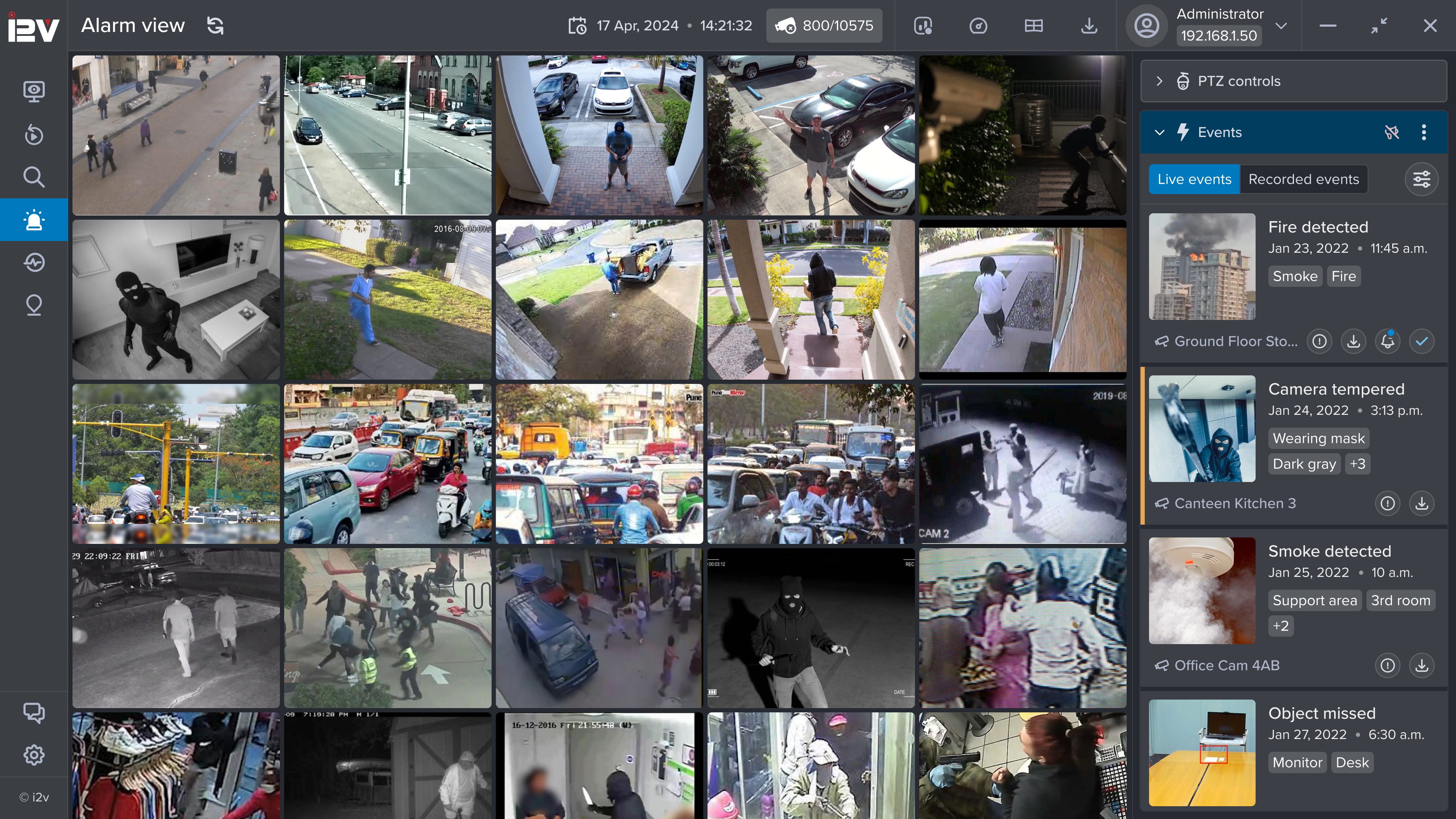
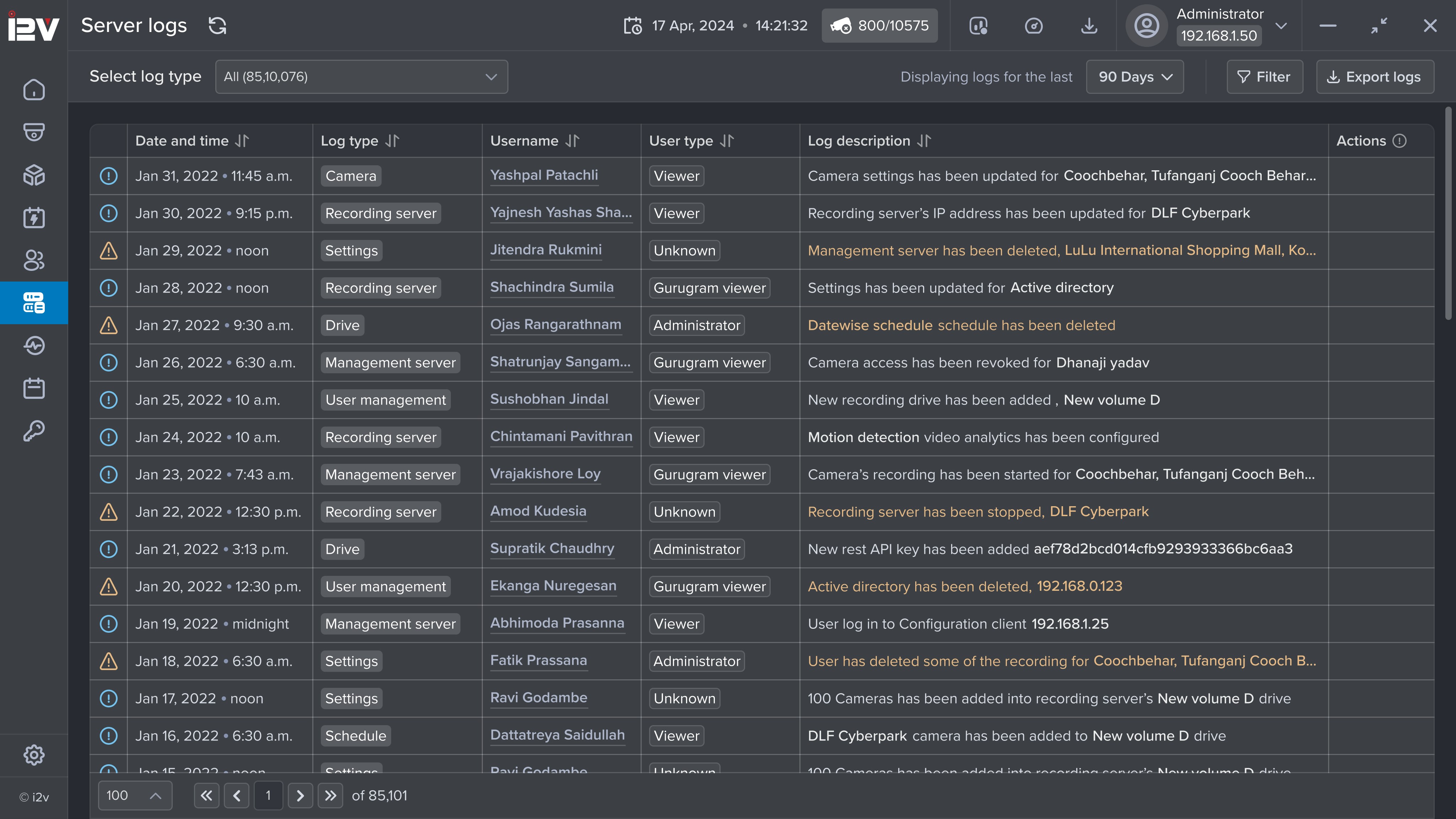
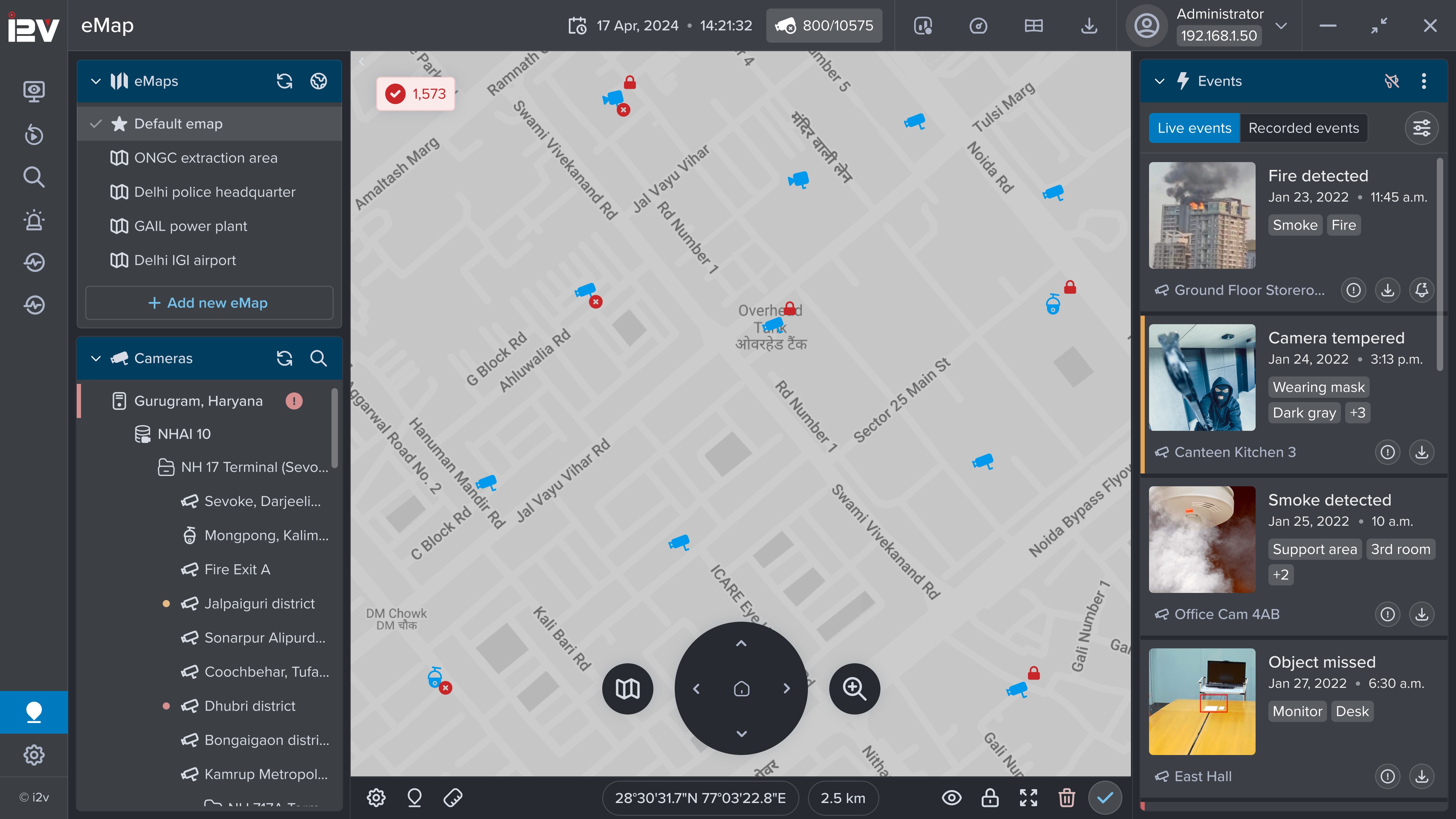
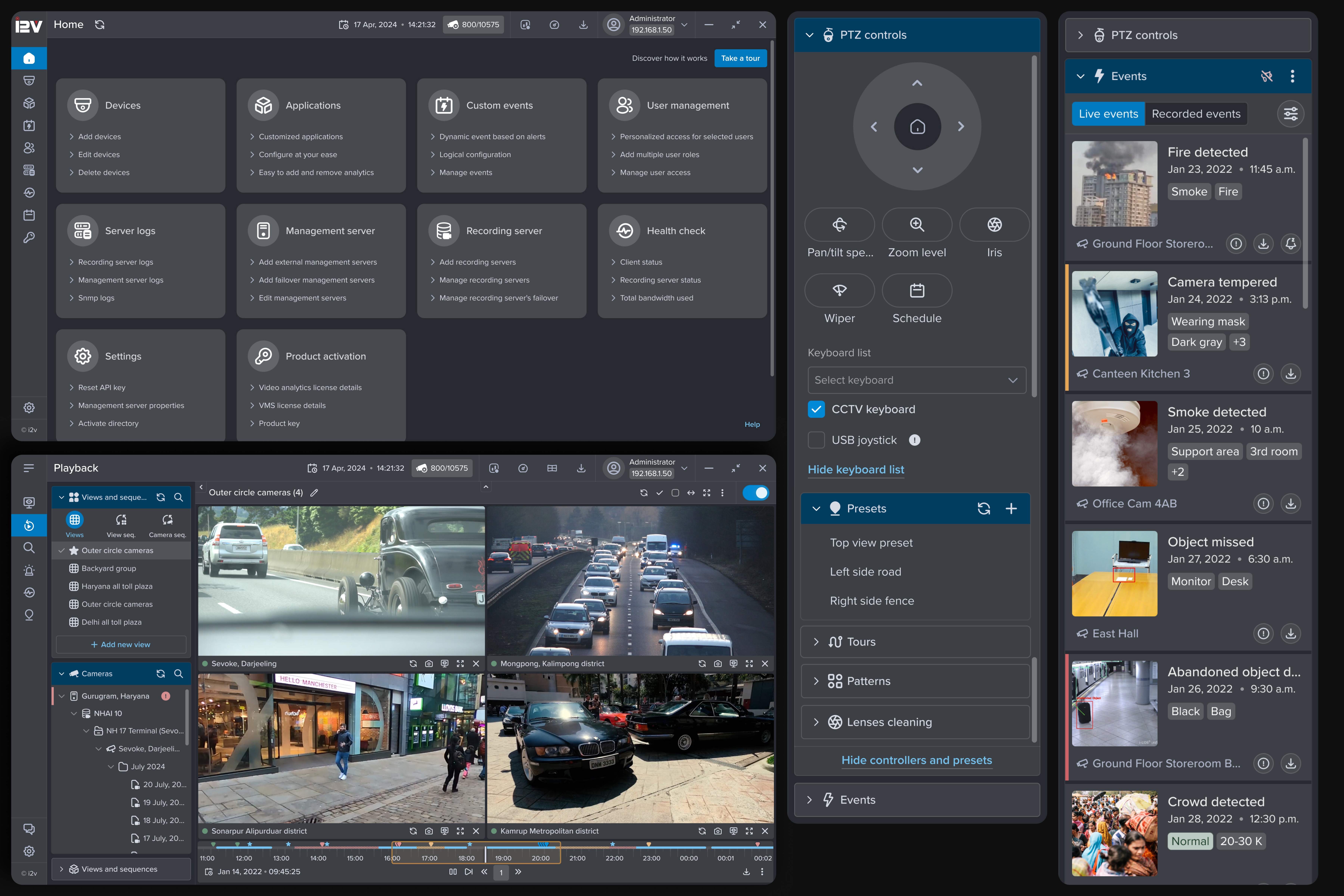
Connected design system with development workflow (Figma → Storybook → Jira).
Introduced component versioning and release cycles.
Conducted training sessions for design and dev teams to ensure adoption.
Validation & feedback
Usability testing using prototypes built from the system.
Iterated components based on designer, developer, and end-user feedback.
Results:
Reduced design and dev inconsistency by 80%.
Enabled faster handoffs and onboarding for new team members.
Standardized workflows improved overall cross-product usability.
Impact & future roadmap
Impact:
Unified experience across all i2V platforms.
Single source of truth for components and design decisions.
Improved productivity, consistency, and user satisfaction.
Future Roadmap:
Expand system coverage to new product suites.
Analytics-driven component improvements.
Continue documentation refinement for new teams.
Learnings
“A design system is more than a library of components; it’s a shared language that unifies teams, products, and experiences.”
More Projects

Hi
Hi
Curious about the process behind the pixels?
Dive into the stories behind each project, how design decisions shaped better user experiences.
Design systems
i2v design systems
i2v design systems
Building a unified design system to transform i2V’s multi-platform experience
Building a unified design system to transform i2V’s multi-platform experience
Year :
2025
Industry :
Video management software
Client :
i2V Systems Pvt. Ltd.
Project Duration :
6 Months
A centralized system that harmonizes UI patterns, accelerates development, and enhances usability across all i2V products.
Inconsistent design patterns across desktop, web, and mobile products caused confusion for users and inefficiency for developers. I led the creation of a design system that standardized components, improved cross-product consistency, and empowered teams to build faster and smarter.
Problem
Connect to Content
Add layers or components to make infinite auto-playing slideshows.
Multiple products lacked standardized UI and interaction patterns.
Designers and developers spent excessive time reinventing components.
Users experienced cognitive load due to inconsistent layouts, controls, and workflows.
No single source of truth existed for design, causing slow handoffs and fragmented experiences.
Research & discovery
Conducted a full audit of all i2V products to identify inconsistencies.
Interviewed stakeholders: PMs, developers, QA, and designers.
Studied best practices in enterprise UX and component libraries.
Findings:
Components and layouts were inconsistent across products.
Redundant design work slowed development cycles.
Users struggled with non-uniform workflows.
Scope & stakeholders
Scope:
Cover all products and suites (Desktop, Web, Mobile).
Focus on reusable components, accessibility, and interaction guidelines.
Stakeholders:
Product Managers
Developers & QA
UX Designers
End Users (via feedback sessions)
Design principles
Consistency: Uniform patterns and interactions across all products.
Scalability: Components designed to expand across platforms.
Usability: Reduce cognitive load for users.
Efficiency: Enable faster product development.
Accessibility: Meet WCAG 2.1 AA standards.
System architecture & components
Connect to Content
Add layers or components to make infinite auto-playing slideshows.
Atomic Design Approach:
Atoms: Buttons, inputs, typography, colors
Molecules: Form groups, tables, modals
Organisms: Cards, dashboards, navigation patterns
Workflow integration
Connected design system with development workflow (Figma → Storybook → Jira).
Introduced component versioning and release cycles.
Conducted training sessions for design and dev teams to ensure adoption.
Validation & feedback
Usability testing using prototypes built from the system.
Iterated components based on designer, developer, and end-user feedback.
Results:
Reduced design and dev inconsistency by 80%.
Enabled faster handoffs and onboarding for new team members.
Standardized workflows improved overall cross-product usability.
Impact & future roadmap
Impact:
Unified experience across all i2V platforms.
Single source of truth for components and design decisions.
Improved productivity, consistency, and user satisfaction.
Future Roadmap:
Expand system coverage to new product suites.
Analytics-driven component improvements.
Continue documentation refinement for new teams.
Learnings
“A design system is more than a library of components; it’s a shared language that unifies teams, products, and experiences.”
More Projects
Hi
Hi
Curious about the process behind the pixels?
Dive into the stories behind each project, how design decisions shaped better user experiences.
Design systems
i2v design systems
i2v design systems
Building a unified design system to transform i2V’s multi-platform experience
Building a unified design system to transform i2V’s multi-platform experience
Year :
2025
Industry :
Video management software
Client :
i2V Systems Pvt. Ltd.
Project Duration :
6 Months
A centralized system that harmonizes UI patterns, accelerates development, and enhances usability across all i2V products.
Inconsistent design patterns across desktop, web, and mobile products caused confusion for users and inefficiency for developers. I led the creation of a design system that standardized components, improved cross-product consistency, and empowered teams to build faster and smarter.
Problem
Connect to Content
Add layers or components to make infinite auto-playing slideshows.
Multiple products lacked standardized UI and interaction patterns.
Designers and developers spent excessive time reinventing components.
Users experienced cognitive load due to inconsistent layouts, controls, and workflows.
No single source of truth existed for design, causing slow handoffs and fragmented experiences.
Research & discovery
Conducted a full audit of all i2V products to identify inconsistencies.
Interviewed stakeholders: PMs, developers, QA, and designers.
Studied best practices in enterprise UX and component libraries.
Findings:
Components and layouts were inconsistent across products.
Redundant design work slowed development cycles.
Users struggled with non-uniform workflows.
Scope & stakeholders
Scope:
Cover all products and suites (Desktop, Web, Mobile).
Focus on reusable components, accessibility, and interaction guidelines.
Stakeholders:
Product Managers
Developers & QA
UX Designers
End Users (via feedback sessions)
Design principles
Consistency: Uniform patterns and interactions across all products.
Scalability: Components designed to expand across platforms.
Usability: Reduce cognitive load for users.
Efficiency: Enable faster product development.
Accessibility: Meet WCAG 2.1 AA standards.
System architecture & components
Connect to Content
Add layers or components to make infinite auto-playing slideshows.
Atomic Design Approach:
Atoms: Buttons, inputs, typography, colors
Molecules: Form groups, tables, modals
Organisms: Cards, dashboards, navigation patterns
Workflow integration
Connected design system with development workflow (Figma → Storybook → Jira).
Introduced component versioning and release cycles.
Conducted training sessions for design and dev teams to ensure adoption.
Validation & feedback
Usability testing using prototypes built from the system.
Iterated components based on designer, developer, and end-user feedback.
Results:
Reduced design and dev inconsistency by 80%.
Enabled faster handoffs and onboarding for new team members.
Standardized workflows improved overall cross-product usability.
Impact & future roadmap
Impact:
Unified experience across all i2V platforms.
Single source of truth for components and design decisions.
Improved productivity, consistency, and user satisfaction.
Future Roadmap:
Expand system coverage to new product suites.
Analytics-driven component improvements.
Continue documentation refinement for new teams.
Learnings
“A design system is more than a library of components; it’s a shared language that unifies teams, products, and experiences.”
More Projects
Hi
Hi
Curious about the process behind the pixels?
Dive into the stories behind each project, how design decisions shaped better user experiences.